
France, thoughtfully planned.
France, Beyond The Postcards
France offers more than iconic landmarks and famous cities. The experience changes entirely depending on pace, region, and how you prefer to travel — whether that means quiet villages, vineyard landscapes, coastal scenery, or time spent lingering over long meals and meaningful moments.
“France often feels best
when it leaves room to wander.”
OBSERVATIONS
France changes dramatically once you move beyond Paris.
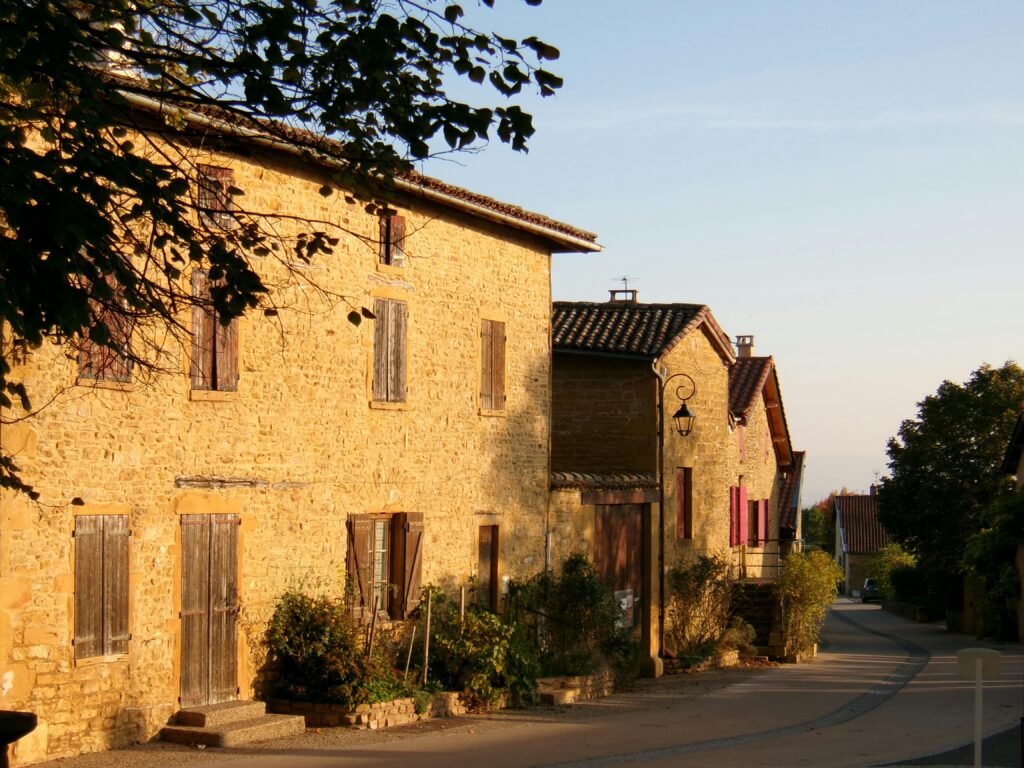
Provence offers slower mornings and market rhythms. Normandy feels coastal and quieter. Alsace brings storybook villages and a distinct cultural character.
Moving beyond the capital often reveals a side of France that feels more regional, more personal, and more connected to how travelers actually want to experience a place.
There isn't one perfect first trip.
Some travelers spend ten days between Paris and Provence.
Others wander Alsace before heading into Burgundy.
France rewards both.
Paris + Provence + Riviera
A classic balance of culture, countryside and coastline for a first experience.
Paris + Normandy + Loire Valley
History, soft landscapes, and a slower pace.
Burgundy + Alsace + Champagne
Wine regions, charming towns, and quieter luxury.
Paris + French Alps + Provence
Scenery, adventure, and time to unwind.
moving through place
A Morning in a Paris Bakery
One of the best ways to understand a place is to step behind the scenes.
This short film was captured during a hands-on pastry workshop in Paris, offering a glimpse into the craftsmanship, patience, and tradition behind one of France’s most beloved daily rituals.
Go Deeper
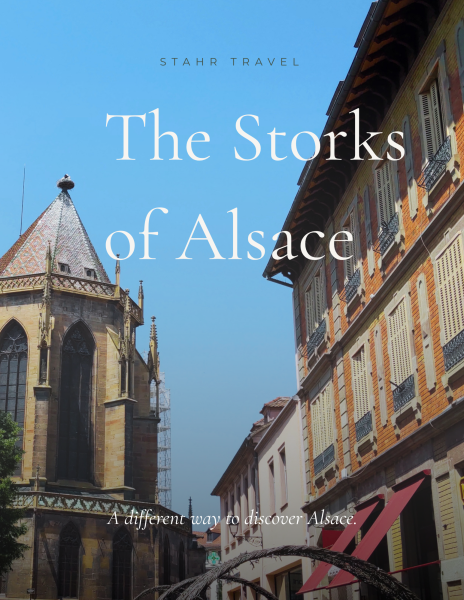
The Storks of Alsace
Alsace has another story to tell — one that begins high above the rooftops.
The white stork has become one of the region’s most recognizable symbols, woven into its villages, landscapes and folklore.
The Storks of Alsace is a short Stahr Travel publication about the bird, the places it inhabits, and the details that can make traveling through Alsace a little more rewarding.
Included with the France Planning Companion for a limited time.
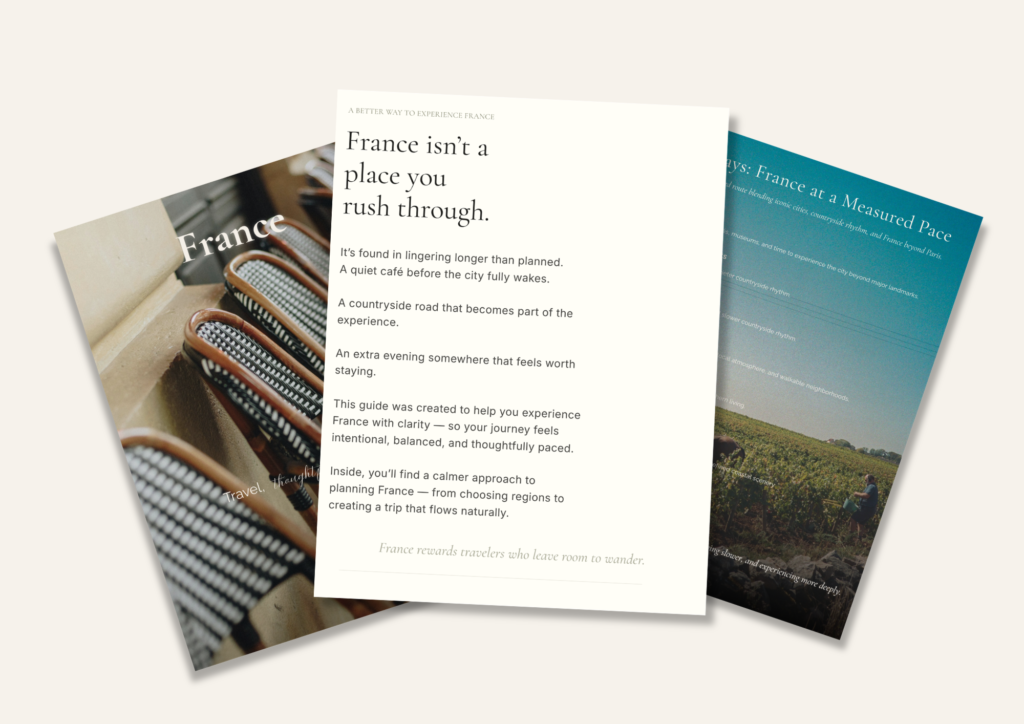
France Planning Companion
PLANNING
France often feels most rewarding when itineraries prioritize rhythm over rushing. Thoughtful pacing, balanced regional combinations, and fewer hotel changes often create trips that feel calmer, more connected, and ultimately more memorable.
When should France be planned?
France is often best planned 6–12 months in advance, especially for spring (April–June) and fall (September–October), when weather, pacing, and availability tend to align beautifully. Popular regions such as Paris, Provence, and the French Riviera can book earlier — particularly for boutique hotels and premium experiences. Planning further ahead often creates more flexibility and a more thoughtfully paced itinerary.
How far in advance should France hotels be reserved?
For spring and fall travel, reserving France hotels 6–9 months ahead often provides the strongest combination of location, atmosphere, and value. Boutique properties, countryside stays, and smaller luxury hotels frequently have more limited inventory. Hotel location often shapes daily rhythm more than travelers expect.
Should France include multiple hotel stays?
Most France journeys benefit from 2–4 thoughtfully chosen bases rather than changing hotels constantly. Fewer hotel transitions often creates a calmer experience, especially when balancing cities with countryside or coastal regions. Longer stays frequently allow travelers to experience France more deeply.
Is France better by train or rental car?
France works beautifully with a combination of both. High-speed rail often connects major cities efficiently, while rental cars become more valuable in countryside regions such as Provence, Normandy, Dordogne, or the Loire Valley. The right approach depends less on transportation itself and more on the pace and style of travel you prefer.
How many days feels comfortable for a first France trip?
For a first France journey, 10–14 days often creates the most balanced experience. This allows time to experience Paris alongside one or two slower regions without feeling rushed. Travelers trying to fit too much into a shorter trip often spend more time transitioning than enjoying the places themselves.
What makes France feel rushed?
France often feels rushed when too many regions are combined into one trip, hotel changes happen too frequently, or travel time is underestimated. A thoughtfully paced France itinerary often includes fewer regions, longer stays, and room for unplanned moments that make travel feel memorable rather than scheduled.
Which regions work best together?
Some France regions naturally complement one another:
Paris + Loire Valley + Provence
Classic first France journey balancing cities and countryside.
Paris + Champagne + Burgundy + Lyon
Ideal for food and wine focused travel.
Paris + Normandy + Loire Valley
History, landscapes, and slower pacing.
Paris + Provence + French Riviera
Scenery, villages, and southern rhythm.
Thoughtful region pairing often shapes how balanced a France trip feels.
Is France expensive to visit?
France can accommodate a wide range of budgets, but the overall cost depends more on where you travel than on France itself. Paris and the French Riviera are typically the most expensive, while regions like Alsace, Burgundy, Normandy, and parts of Provence often provide exceptional value.
Thoughtful planning—choosing the right season, balancing city stays with smaller towns, and spending longer in fewer places—can create a richer experience without dramatically increasing your budget.
Is France a good destination for a first trip to Europe?
Absolutely. France is often one of the easiest introductions to Europe thanks to its excellent rail network, varied landscapes, and range of experiences. Whether you’re drawn to Paris, wine regions, mountain villages, or the Mediterranean coast, it’s easy to build an itinerary that feels both accessible and memorable.
How many nights should I spend in Paris?
For most first-time visitors, 3–4 nights offers a comfortable balance. It provides enough time to experience the city’s iconic neighborhoods while still leaving room to explore other regions of France without feeling rushed.
Can France be combined with another country?
Yes, but it’s often most rewarding when France remains the primary focus of the trip. Pairing France with nearby destinations like Switzerland, Italy, or Belgium can work well if you have at least two weeks available. For shorter journeys, exploring multiple French regions usually creates a more relaxed experience.
What kind of traveler enjoys France most?
France is especially rewarding for travelers who appreciate food, culture, scenic landscapes, and unhurried exploration. Rather than trying to see everything, the country shines when you slow down, linger over meals, and allow time for unexpected discoveries between destinations.
Ready to start shaping your trip?
We’ll help you turn ideas into a plan that feels clear, cohesive, and tailored to you.