
Destinations
Northern Italy
Historic Cities, Alpine Landscapes, and a More Thoughtful Way to Experience Italy
Northern Italy stretches from the Alps to the Adriatic, encompassing some of Italy’s most diverse landscapes, historic cities, and culinary traditions.
From the canals of Venice and the elegance of Milan to the vineyards of Emilia-Romagna, the shores of Lake Como, and the dramatic peaks of the Dolomites, each destination offers its own distinct rhythm.
Rather than trying to see everything in one trip, Northern Italy rewards travelers who slow down. Staying longer, traveling by train, and allowing time for everyday moments often creates a richer experience than moving quickly between landmarks.
This editorial guide explores the regions, cities, and experiences that define Northern Italy, along with original observations, photography, and thoughtful planning insights to help you build an itinerary that reflects your own way of traveling.
EXPLORE THE REGION
Distinct Characters
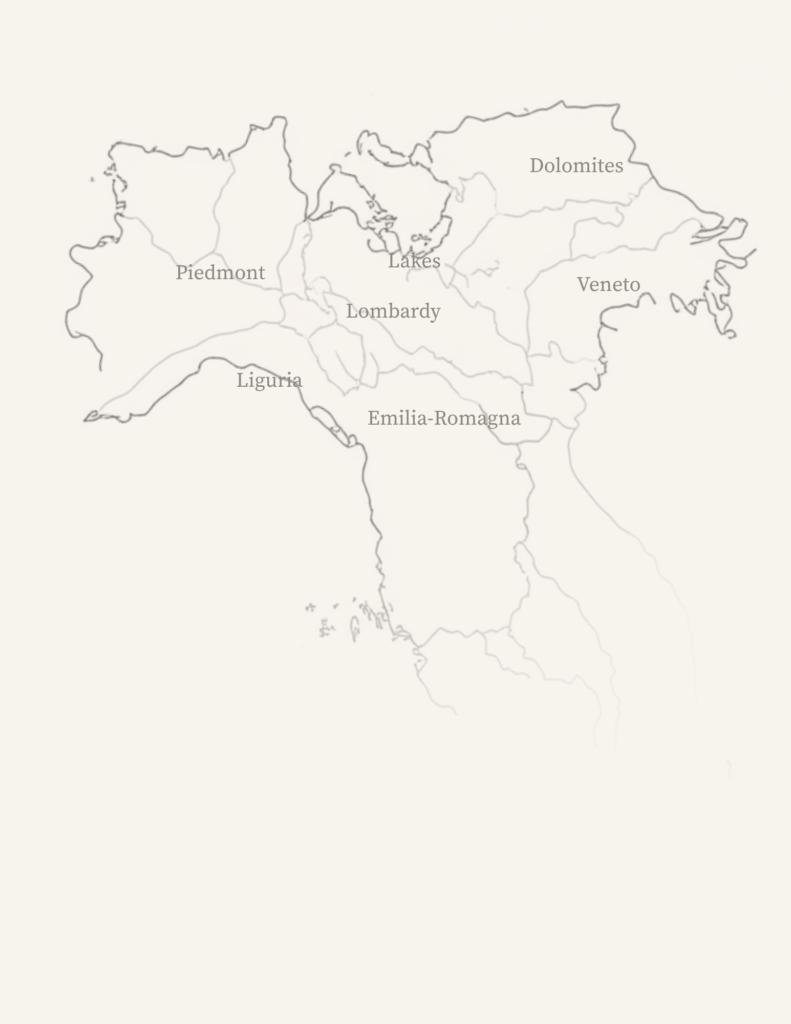
Northern Italy is best understood as a collection of regions, each shaped by its own traditions, landscapes, cuisine, architecture, and rhythm of life.
PIEDMONT
Quietly elegant and framed by the Alps, Piedmont rewards travelers who appreciate slower discoveries. Turin, Italy’s first capital, introduces the region through grand boulevards, historic cafés, and an understated sophistication that feels distinctly different from the rest of Northern Italy.
LOMBARDY
Lombardy balances innovation with tradition. While Milan defines the region’s modern identity, vineyards, medieval towns, and the celebrated shores of Lake Como reveal a landscape that is equally timeless.
THE ITALIAN LAKES
Rather than one destination, the Italian Lakes are a collection of places with remarkably different personalities. Lake Como is known for its grand villas, Lake Garda for its varied landscapes and active towns, Lake Maggiore for its gardens and islands, and Lake Orta for its quieter, more intimate atmosphere.
THE DOLOMITES
The Dolomites rise dramatically above Northern Italy, creating an alpine world of winding mountain roads, quiet villages, and limestone peaks that transform with every season.
VENETO
While Venice captures the world’s imagination with its canals and centuries of maritime history, Verona offers Roman architecture and a more relaxed pace. Together they reveal a region where history, craftsmanship, and everyday life remain closely connected.
EMILIA-ROMAGNA
Emilia-Romagna celebrates craftsmanship in every form. From Bologna’s endless porticoes to the culinary traditions of Modena and Parma, and the remarkable mosaics of Ravenna, few regions express Italy’s culture through food, art, and everyday life so naturally.
LIGURIA
Liguria reveals Northern Italy’s Mediterranean side. Along the Italian Riviera, colorful seaside towns and quiet harbors hug the coastline between the mountains and the sea, inviting a slower rhythm shaped by the water. Whether exploring Portofino, Camogli, Genoa or the villages of Cinque Terre, the region invites a slower Mediterranean pace.
Featured Places
Venice
A City Unlike Any Other
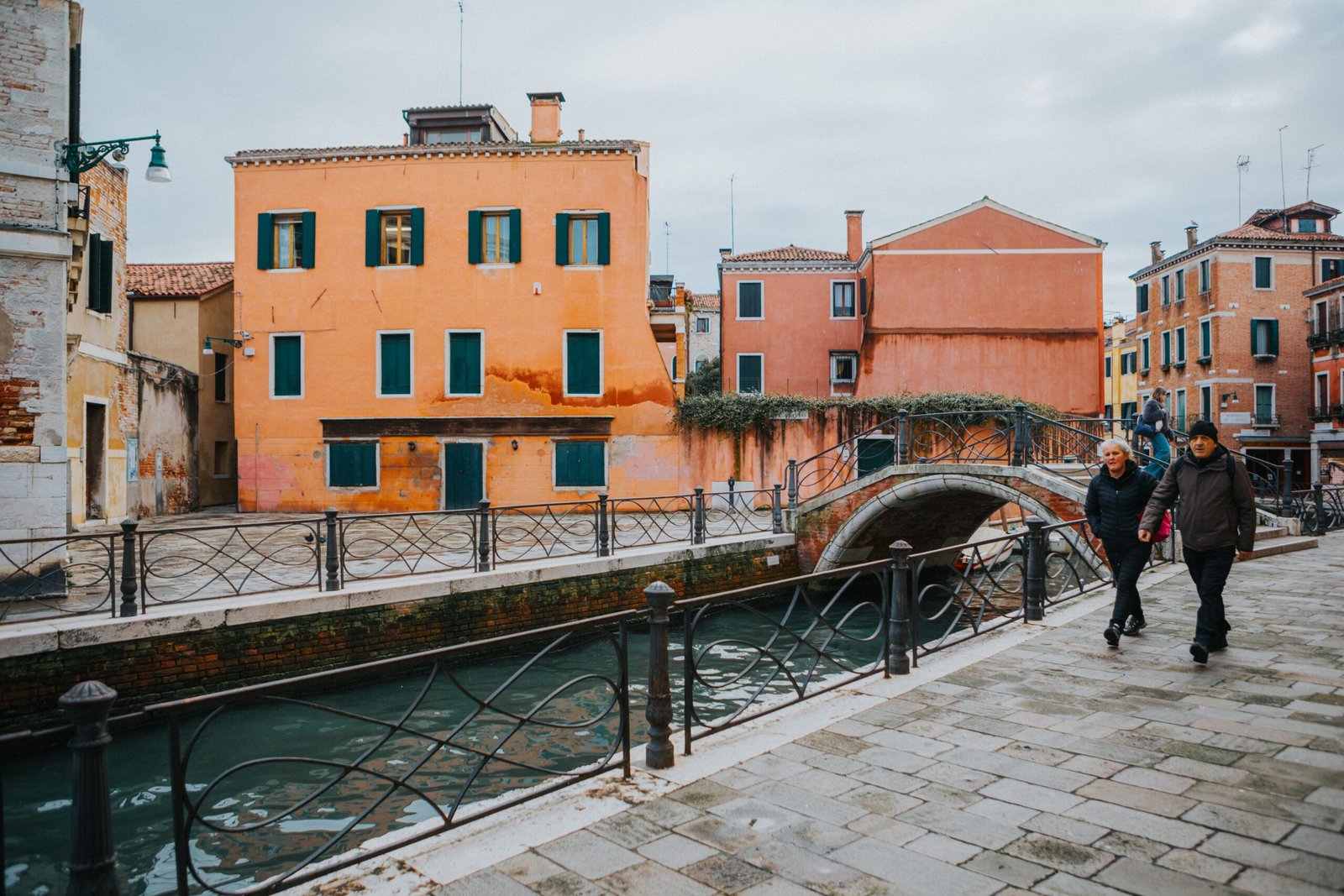
Few places in the world alter your sense of movement quite like Venice. Streets give way to canals, footsteps replace traffic, and every crossing becomes a bridge rather than an intersection. It is a city that asks you to slow down—not because there is less to see, but because nearly every corner rewards a second look.
For many travelers, Venice is synonymous with gondolas and crowded piazzas. Yet its lasting impression often comes from quieter moments: laundry hanging above a narrow canal, the echo of footsteps before the city wakes, or the soft light reflecting from the lagoon at dusk. Step beyond the busiest routes and Venice reveals itself as a place still shaped by neighborhoods, local traditions, and daily routines.
As the historic gateway between Europe and the East, Venice has spent centuries absorbing influences from across the Mediterranean and beyond. That layered history remains visible in its architecture, cuisine, and craftsmanship, making it one of Northern Italy’s most distinctive cities—not simply because of its beauty, but because nowhere else feels quite the same.
Observation
The Venice I remember most wasn’t the one filled with people. It was the quiet walk back before breakfast, when the only sounds were footsteps, gulls, and water brushing against stone.
The Italian Lakes
Where Northern Italy Slows Down
If Venice is defined by movement, the Italian Lakes are defined by stillness. Surrounded by mountains and shaped by centuries of villages, gardens, and lakeside promenades, they offer a quieter expression of Northern Italy—one where the landscape becomes as much a part of the journey as the destinations themselves.
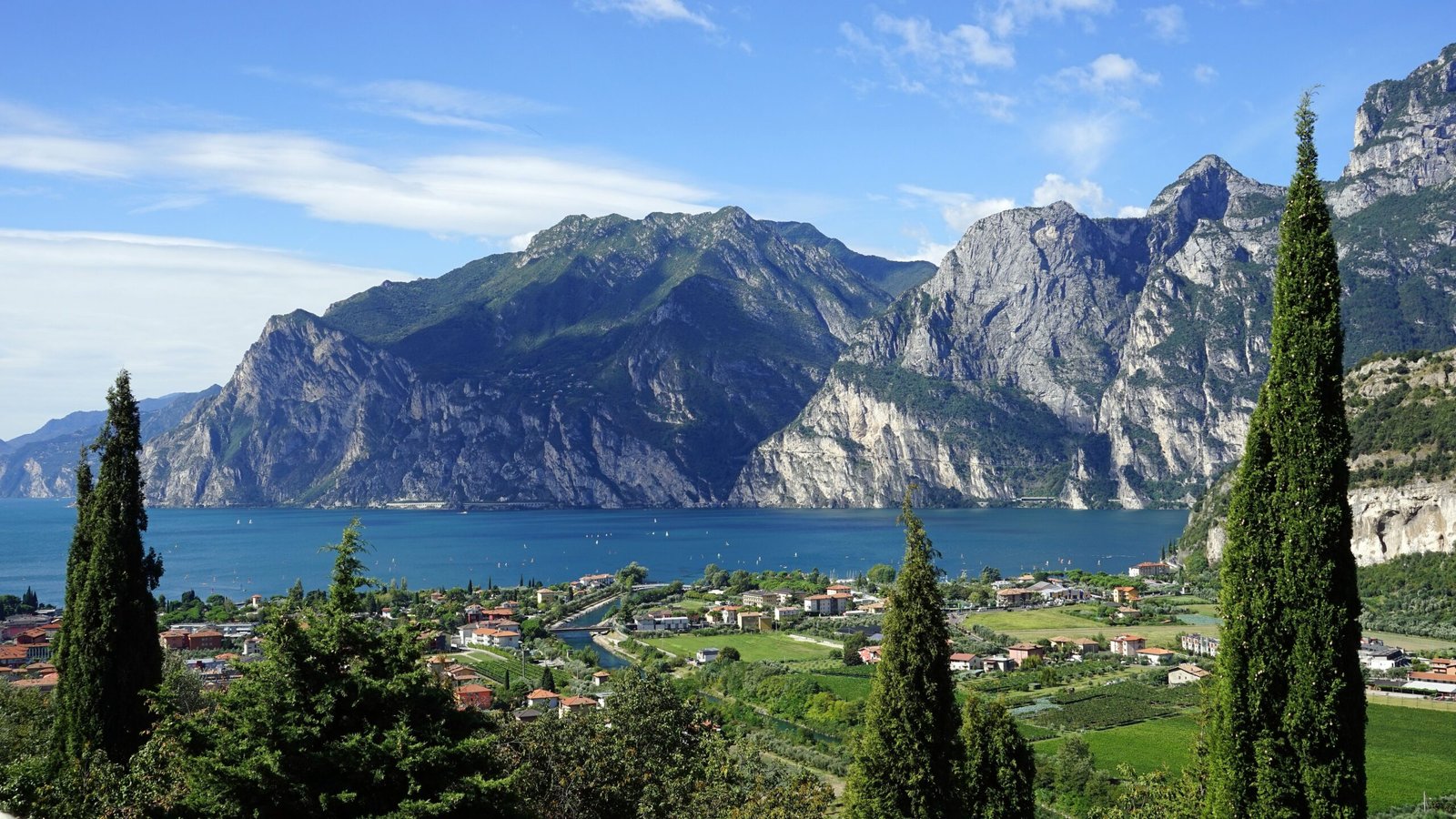
Although often grouped together, each lake has its own personality. Lake Como is known for elegant villas and dramatic alpine scenery, while Lake Garda stretches between vineyards, medieval towns, and the foothills of the Dolomites. Lake Maggiore blends grand gardens with historic islands, and Lake Orta remains one of the region’s most peaceful retreats, rewarding those willing to wander beyond the better-known names.
More than places to visit, the lakes invite a different pace of travel. Mornings begin on quiet waterfronts, ferries replace highways, and afternoons unfold over long lunches overlooking the water. It’s a landscape that encourages lingering rather than rushing—a reminder that some of Northern Italy’s most memorable moments are found not in landmarks, but in the simple act of slowing down.
Observation
The memory that stayed with me wasn’t a famous villa or viewpoint. It was watching the first ferry cross the lake as the mountains emerged from the morning haze, when the water was so still it felt as though the day hadn’t quite begun.
The Dolomites
Where the Landscape Changes Everything
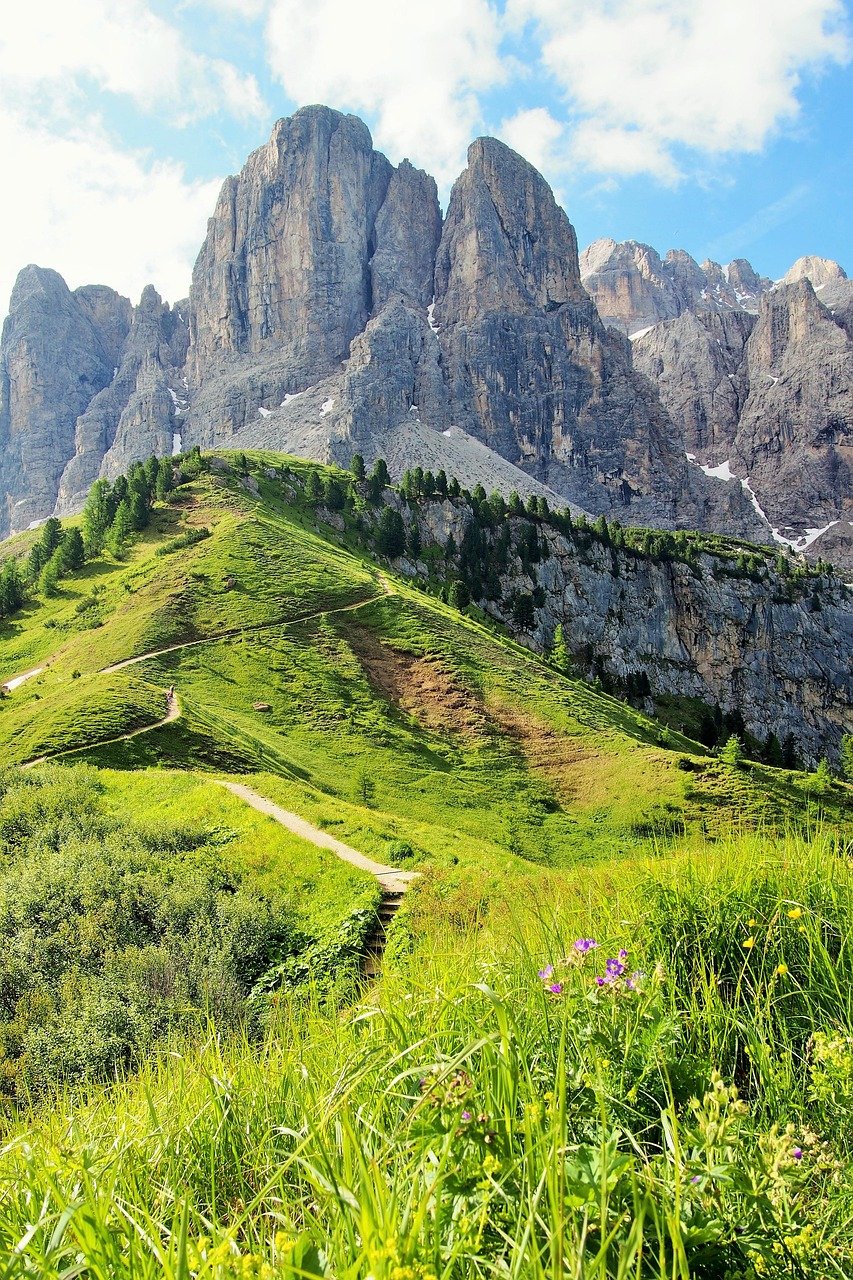
Few places in Northern Italy alter your sense of scale quite like the Dolomites. Towering limestone peaks rise above alpine meadows, winding mountain roads, and villages where the pace of life is shaped as much by the seasons as the clock. It is a landscape that invites travelers to look up, slow down, and appreciate just how varied Northern Italy can be.
Although celebrated for hiking and outdoor adventure, the Dolomites reward travelers in quieter ways as well. Scenic drives reveal dramatic vistas around every bend, mountain lifts open panoramic views without demanding strenuous climbs, and small villages offer a chance to linger over local cuisine while surrounded by some of Europe’s most extraordinary scenery.
The mountains are never simply a backdrop—they shape the experience itself. Weather, light, and elevation transform the landscape from hour to hour, ensuring that no two visits feel exactly the same. Whether arriving for a single afternoon or several days, the Dolomites leave a lasting impression not because of one viewpoint, but because of the overwhelming sense of place they create.
Observation
The view wasn’t memorable because it was the highest point we reached. It was memorable because every bend in the road revealed an entirely new landscape, reminding us that in the Dolomites the journey is often more remarkable than the destination.
Go Deeper
ESSAYS
How Many Days Do You Really Need in Northern Italy?
There is no perfect number of days for Northern Italy.
The better question is how much movement a trip can absorb before the journey itself begins to take over.
One of the easiest mistakes to make is to confuse what is possible with what is worth doing.
Yes, you can visit several places in a week. You can add another lake, another city, another mountain valley, another overnight stop.
Northern Italy by Train:
Where It Works Best
Northern Italy is one of those parts of Europe where you can travel remarkably well without a car.
That doesn’t mean a car is unnecessary everywhere. The Dolomites, smaller lake communities, and some rural areas are much easier with one. But for much of the region, trains, local buses, Metro systems, walking, and the occasional car can work together surprisingly well.
The trick is not to decide that you are traveling by train or by car.
It is to understand where each works best.
COMPANIONS
Thoughtfully assembled destination companions designed to help travelers move beyond the highlights and experience a destination more deeply.
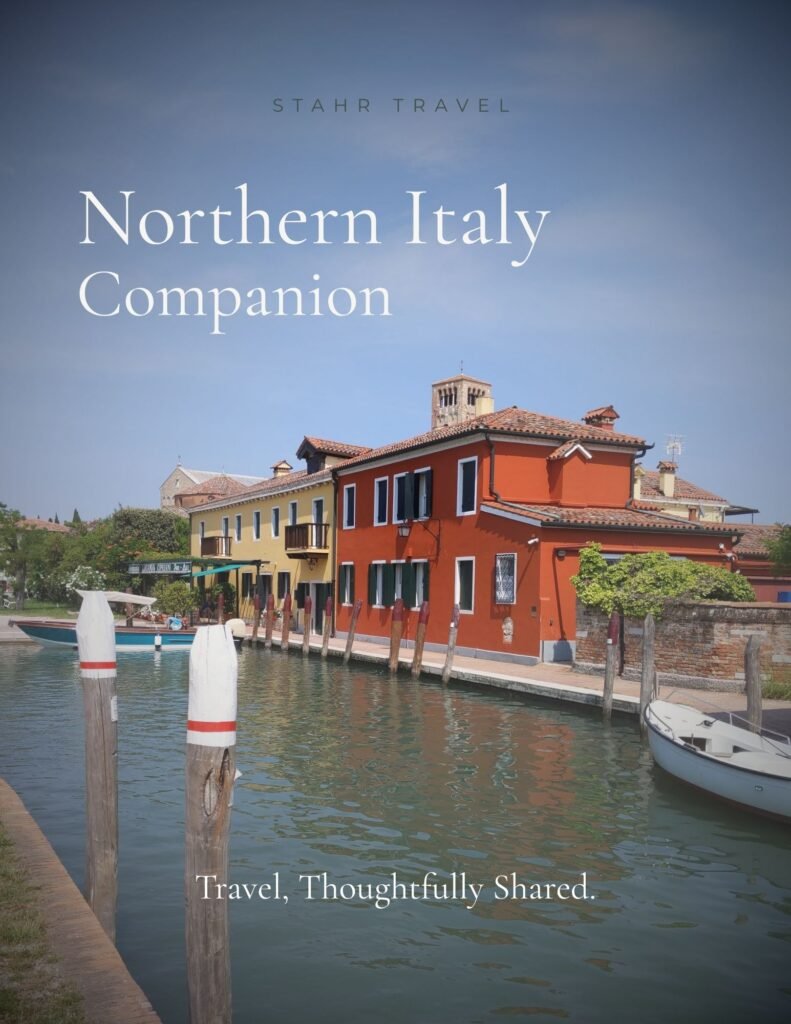
Northern Italy
Travel Companion
A destination companion for travelers drawn to slower mornings, long lunches, and places that reward curiosity.
BONUS PUBLICATION
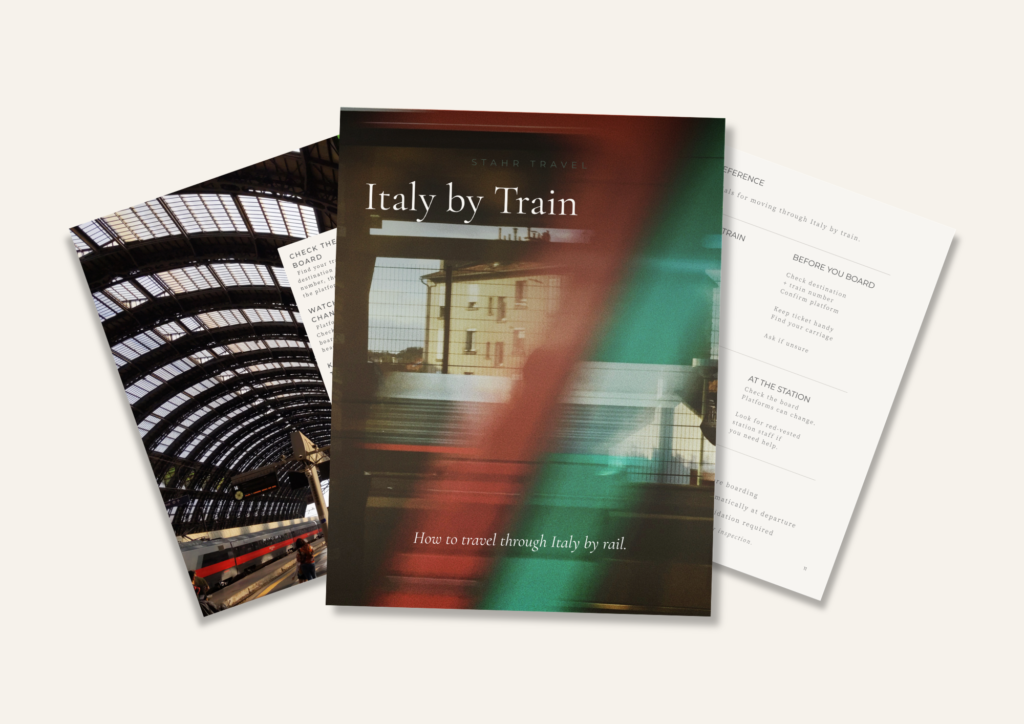
Italy by Train
A separate Stahr Travel publication exploring the pleasures of traveling through Italy by rail — from the landscapes outside the window to the simple pleasure of making the journey part of the experience.
Included with your Northern Italy Companion purchase.
Planning Thoughtfully
By the time most people begin planning a trip to Northern Italy, they already know which places they hope to see. The more important questions are often about pace: How much time is enough? Should you rent a car or travel by train? Which regions naturally fit together? Answering those questions thoughtfully can shape a journey that feels less rushed and far more memorable.
The questions below reflect the conversations we have most often with travelers beginning to plan Northern Italy.
How many days should I spend in Northern Italy?
Northern Italy rewards travelers who choose depth over distance. While it’s possible to visit several cities in a week, many itineraries feel more rewarding when limited to two or three regions. Seven to ten days provides enough time to combine places like Venice and the Italian Lakes or Milan and the Dolomites without feeling rushed. With two weeks, it’s possible to explore more broadly while still allowing room for slower mornings, longer meals, and the unexpected moments that often become the most memorable part of a journey.
Is Northern Italy better explored by train or by car?
One of Northern Italy’s greatest strengths is its excellent rail network. Cities such as Venice, Milan, Bologna, Verona, and Turin are well connected by high-speed and regional trains, making rail travel both convenient and relaxing. A car becomes more valuable when exploring the Dolomites, smaller villages, or wine regions where public transportation is less frequent. Many travelers find the best balance by using trains between major destinations and renting a car only for the portions of the trip where it adds flexibility.
When is the best time to visit Northern Italy?
Northern Italy changes dramatically with the seasons, and each offers something different. Spring and early autumn often provide the most comfortable temperatures for walking through cities, exploring lakeside towns, and enjoying the mountains. Summer brings longer days and lively piazzas but also larger crowds in popular destinations. Winter transforms the Dolomites into one of Europe’s premier ski regions while cities such as Venice and Turin take on a quieter, more atmospheric character. Rather than looking for a single “best” time, it helps to choose the season that best matches the experience you’re hoping to have.
Is Northern or Southern Italy better?
Neither is universally better — they offer different experiences.
Northern Italy often appeals to travelers seeking lakes, mountain scenery, and refined city experiences.
Southern Italy often attracts travelers looking for coastline, slower rhythms, and regional character.
Can I combine Venice, the Italian Lakes, and the Dolomites in one trip?
Yes, but the amount of time available makes all the difference. While these destinations are connected by Northern Italy’s transportation network, each offers a distinctly different experience. Trying to include too many places in a short itinerary often means spending more time moving than enjoying each destination. If your schedule allows ten days or more, combining Venice with either the Italian Lakes or the Dolomites creates a balanced journey. With additional time, all three can work together beautifully.
Is Northern Italy a good first trip to Italy?
For many travelers, Northern Italy offers an excellent introduction to the country. Historic cities, world-class museums, alpine landscapes, renowned cuisine, and efficient transportation make it both accessible and remarkably diverse. Whether you’re drawn to Venice’s canals, the elegance of Milan, the serenity of the Italian Lakes, or the dramatic scenery of the Dolomites, the region provides a wide range of experiences without requiring extensive travel between destinations. It’s an ideal choice for travelers seeking variety while maintaining a relaxed pace.
Should I focus on one region or explore several?
There is no single right answer, but many travelers are surprised by how rewarding it can be to explore fewer places more deeply. Staying longer allows time to discover neighborhoods beyond the main attractions, experience local traditions, and settle into the rhythm of daily life. Exploring several regions works well when there is enough time to appreciate the contrasts between them rather than simply passing through. The goal isn’t to see everything—it’s to leave feeling that you truly experienced the places you visited.
Thoughtful planning creates room for unexpected discoveries, slower mornings, memorable meals, and the moments that stay with you long after you return home. If you're ready to begin planning your own journey through Northern Italy, we're here to help.