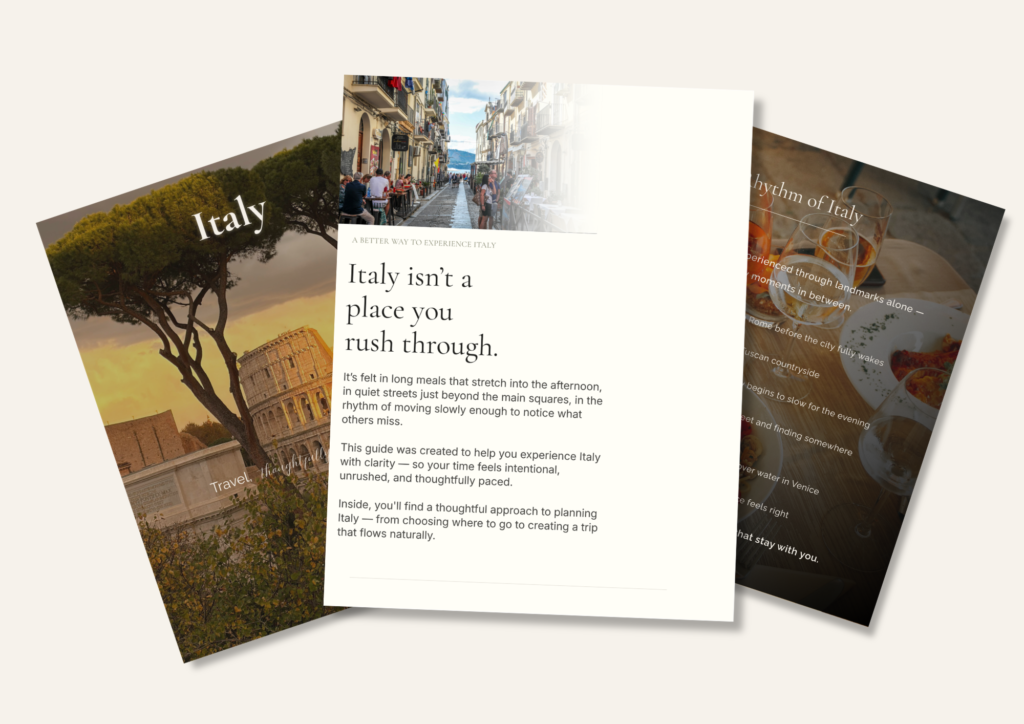
Destinations
Southern Italy
Ancient Cities, Dramatic Coastlines, and a More Thoughtful Way to Experience Italy
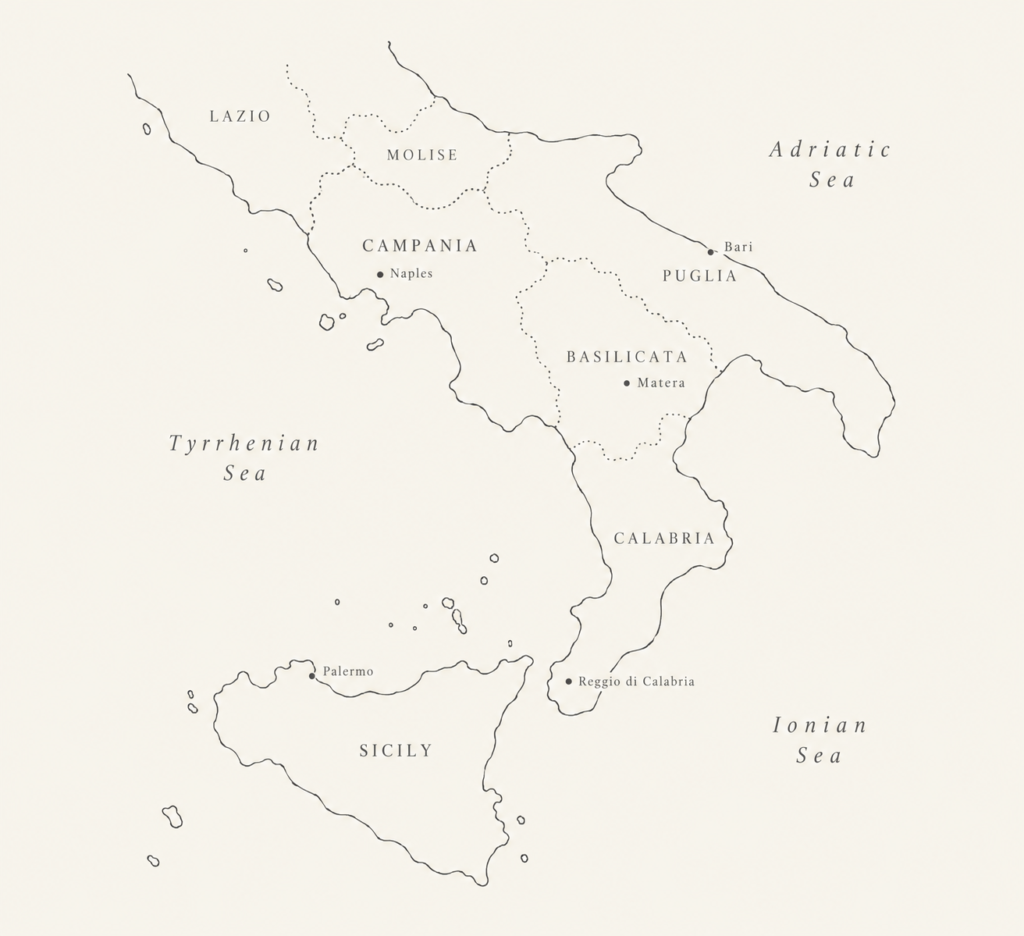
outhern Italy is not a single experience, but a collection of places with distinct histories, landscapes, and rhythms of life. In Campania, ancient ruins and bustling cities give way to a coastline shaped by steep hillsides and the sea. Puglia offers whitewashed towns, distinctive stone architecture, and long stretches of Adriatic and Ionian coastline. Inland, Basilicata holds the remarkable historic landscape of Matera, while Calabria reaches toward the southern tip of the peninsula with a character all its own.
The appeal lies partly in these contrasts. A morning spent exploring an ancient city can give way to an afternoon overlooking the sea; a lively urban center can feel worlds apart from a small town in the surrounding countryside. Each place offers something different, and not every destination will suit every traveler. Distances and transportation deserve consideration, too. Southern Italy rewards a thoughtful itinerary, one that allows time to explore rather than simply move between destinations. Choosing the right bases and deciding which places merit a longer stay can make the difference between a trip spent in transit and one that leaves room for discovery. What follows is an introduction to the places, experiences, and practical considerations that can help you shape a journey through Southern Italy on your own terms.Planning a Journey to Southern Italy?
Southern Italy offers remarkable variety, but the right combination of places depends on your available time, interests, and preferred pace. Thoughtful planning can help you experience more without turning the journey into a succession of hurried stops.
On This Page
EXPLORE THE REGION
Understand what distinguishes Southern Italy, from its picturesque hillside villages to its historic cities and coastal towns.
FEATURED PLACES
Discover the destinations that define the region and what makes each one worth considering for your journey.
PLANNING THOUGHTFULLY
Consider how destinations, transportation, and time come together to shape a well-paced Southern Italy journey.
EXPLORE THE REGION
Distinct Characters
Campania
Campania brings together some of Southern Italy’s most contrasting experiences, from the lively streets and celebrated food culture of Naples to the ancient ruins of Pompeii and the dramatic coastline beyond Sorrento. Across the Bay of Naples, the island of Capri offers another perspective on the region, while the towns of the Amalfi Coast draw visitors with steep hillsides, colorful architecture, and sweeping sea views.
These destinations are often combined in a single trip, but each offers a different experience. Naples is energetic and unpolished, Pompeii rewards time and context, and the coast is as much about scenery as it is about the towns themselves. Choosing where to stay—and allowing enough time to explore—can make the difference between a hurried checklist and a more rewarding journey.
Puglia
Puglia offers a different expression of Southern Italy, shaped by whitewashed hill towns, historic city centers, traditional stone architecture, and a long coastline bordering both the Adriatic and Ionian seas. Inland, the trulli of the Valle d’Itria create a landscape unlike anywhere else in the country. Along the coast, towns range from lively urban centers to smaller places perched above the water.
The region’s destinations are appealing individually, but their relationships to one another matter when planning a trip. A journey through Puglia might center on the historic streets of Lecce, the countryside around Alberobello, or the coast—but trying to cover every corner in a short stay can mean spending too much time in transit.
Basilicata
Basilicata is often overlooked in itineraries focused on Italy’s better-known southern destinations, yet it holds one of the country’s most extraordinary historic landscapes. Matera, with its ancient cave dwellings and stone-built neighborhoods, offers an experience quite different from the coastal towns of neighboring Puglia and Campania.
The region rewards travelers willing to look beyond the familiar circuit. Matera can stand on its own as a destination or form part of a broader southern itinerary, particularly when paired thoughtfully with Puglia.
Calabria
Calabria extends along the toe of the Italian peninsula, where rugged mountains meet two very different coastlines. Its best-known coastal destinations include Tropea, with its dramatic setting above the Tyrrhenian Sea, and Scilla, a historic seaside town with a distinctive fishing heritage.
For travelers seeking a less familiar part of Southern Italy, Calabria offers a different perspective on the region. Its distances and varied landscape make transportation and overnight choices particularly important, however. Rather than treating it as a quick extension of every southern itinerary, it’s worth considering whether the region merits dedicated time.
A Note on Sicily
Sicily lies just across the Strait of Messina and offers an extraordinary world of its own, from ancient Greek sites and Baroque towns to volcanic landscapes and distinctive food traditions. It deserves more than a passing introduction, so we’ll leave a fuller exploration for a dedicated destination feature.
Featured Places
Naples
A City Best Approached with an Open Mind
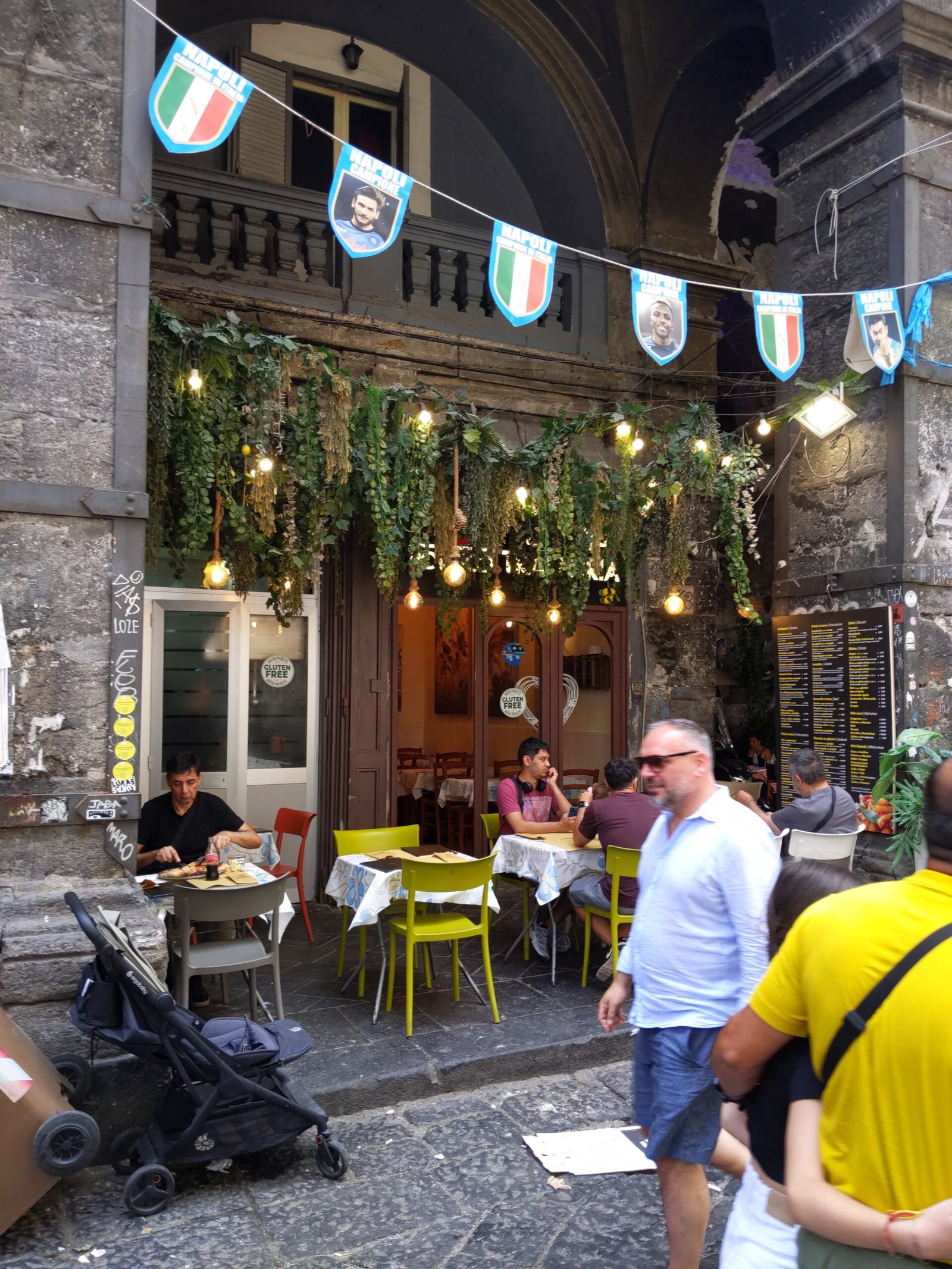
Naples is not a polished introduction to Italy. Its streets can be untidy, its energy unrelenting, and its first impressions challenging for travelers expecting a more carefully composed city. Yet beneath that rough exterior lies a place with a character all its own: welcoming people, an extraordinary food culture, and the pizza that has made Naples famous around the world.
For travelers who enjoy cities with a strong identity, Naples can be deeply rewarding. It is less suited to those who prefer immaculate streets and a quieter pace, and that distinction is worth considering when deciding how much time to spend here.
Observation
Come with an open mind. Although I think it is the dirtiest city in all of Italy, its untidy, energetic character may be a departure from expectations, but the food and welcoming people make it rewarding for travelers who appreciate cities with an unpolished edge.
POMPEII
An Ancient City that Rewards a Closer Look
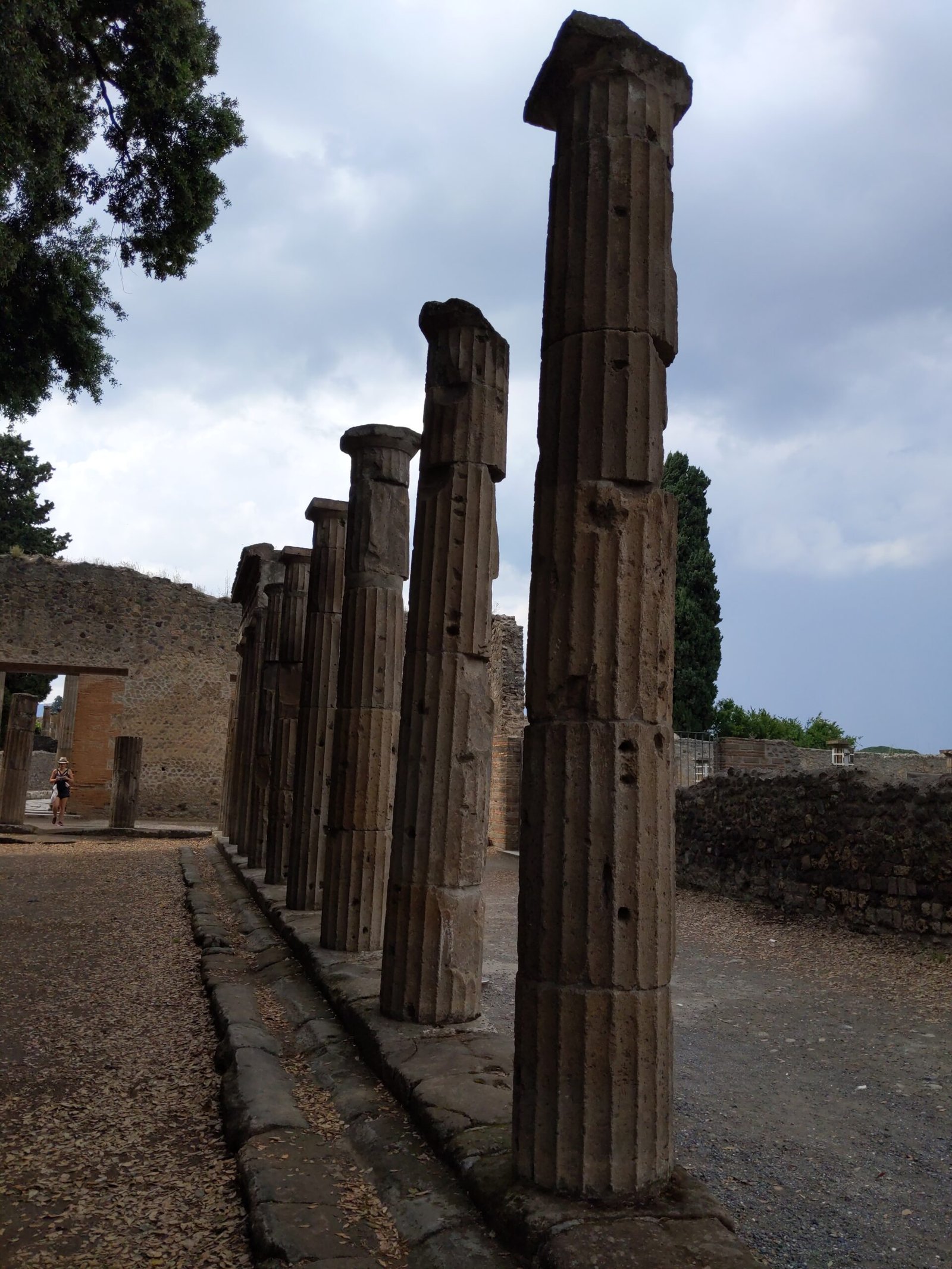
Pompeii is a remarkable encounter with the ancient world, and its scale is part of what makes the experience so compelling. Despite its popularity, the archaeological site is expansive enough that visitors can find room to explore beyond the busiest areas. Streets, homes, public spaces, and monumental structures offer glimpses of a city interrupted by the eruption of Mount Vesuvius.
A guided visit can bring these remains to life, providing context that is difficult to appreciate when moving through the ruins alone. The site is also larger than many visitors anticipate, so allow ample time rather than treating Pompeii as a brief stop between destinations.
Observation
Allow more time than you think you need. The site is expansive, and a guided tour can provide context that makes the ruins far more meaningful. Also, don’t be surprised if you hear an occasional explosion, as they are actively excavating daily.
The Amalfi Coast
Dramatic Scenery, with Decisions Worth Making Carefully
The Amalfi Coast is as striking as its reputation suggests, but the experience varies considerably depending on where and when you visit. Positano’s steep streets and colorful buildings are especially appealing, though crowds can dominate the experience during busy periods. Visiting later in the day may offer a different atmosphere as some day-trippers depart.
Ravello provides a contrasting perspective, perched above the coastline with historic villas, gardens, and expansive views. Its quieter character comes with practical considerations, including access and the cost of local transportation. Throughout the coast, scenery is a central part of the appeal, while tourism inevitably shapes the experience in its most popular towns.
Capri
An Island Best Enjoyed Without Rushing
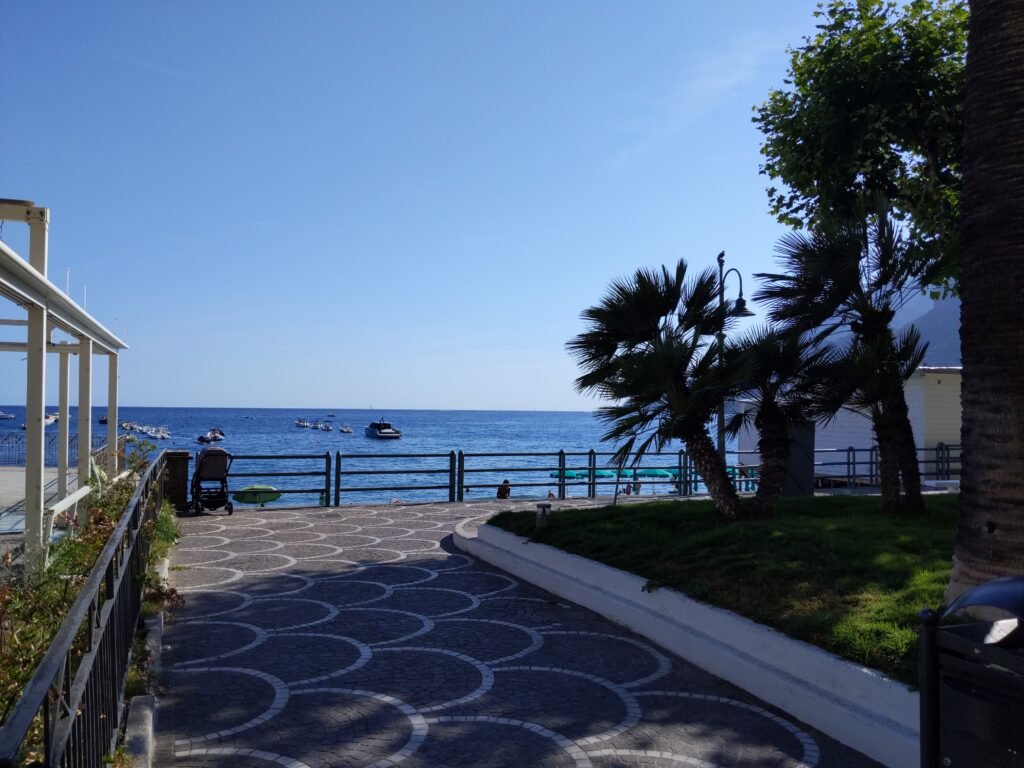
Capri’s popularity can make it difficult to appreciate on a tightly scheduled excursion. Guided visits that attempt to cover both Capri town and Anacapri may leave little time to explore either properly. Yet the island offers more than its busiest streets. In Anacapri, the chairlift to Monte Solaro provides extraordinary views across the island and surrounding sea. Allowing more time—and choosing which experiences matter most—can make a substantial difference.
Observation
Choose your tours carefully as it takes effort to get around the island, especially going up the winding narrow road from Capri to Anacapri.
Matera
An Extraordinary Landscape Shaped by History and Renewal
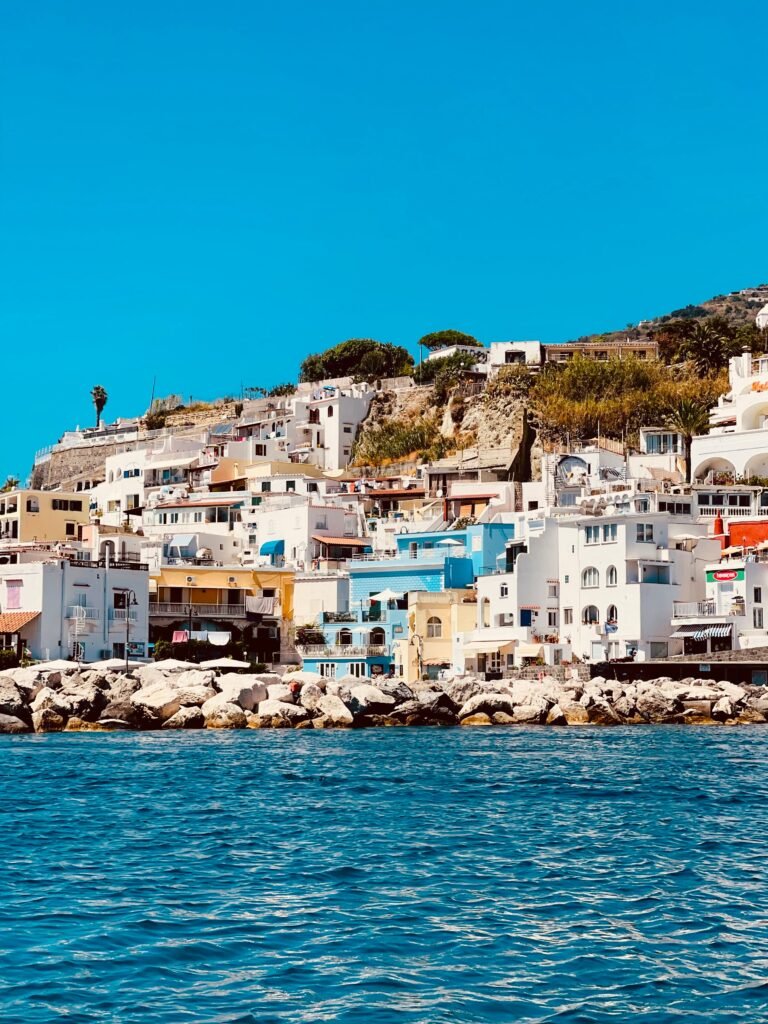
Matera is unlike almost anywhere else in Italy. Its ancient cave dwellings, known as the Sassi, rise through a landscape of stone houses, stairways, churches, and narrow passages that seem to emerge directly from the rock. Yet the city’s story extends beyond its remarkable appearance.
For generations, families lived in the Sassi under difficult conditions that eventually led the Italian government to relocate residents to newly built housing. Once described as the shame of Italy because of the poverty and living conditions associated with the old cave settlements, Matera has since undergone a remarkable transformation. Today, visitors can walk through the historic districts and encounter both the remnants of that earlier way of life and the broader story of the city’s renewal.
A guided tour adds valuable context, explaining how the Sassi developed, how people lived there, and why the city’s history became a national concern. Without that background, it’s easy to appreciate Matera’s extraordinary setting without fully understanding its significance.
For travelers exploring Southern Italy, Matera can be a compelling destination in its own right or a distinctive addition to an itinerary that includes Puglia. Its history and atmosphere reward time spent exploring on foot, rather than a brief stop for photographs.
Sorrento
A Lively Coastal Town and a Practical Place to Settle
Sorrento combines a walkable center with restaurants, shops, and a lively atmosphere. Its location also makes it a useful base for travelers hoping to explore parts of Campania through organized excursions rather than changing accommodation repeatedly.
For many itineraries, Sorrento offers a practical alternative to staying in one of the smaller towns along the Amalfi Coast. The best choice depends on whether convenience and a broader range of amenities matter more than waking up within the coastal landscape itself.
Observation
I regularly consider it as a base for clients wanting to experience the Amalfi Coast. Its walkable center and excursion options make it a practical alternative to staying in a smaller, more expensive Amalfi Coast town.
Puglia
Bari — A Regional Capital with a Different Pace
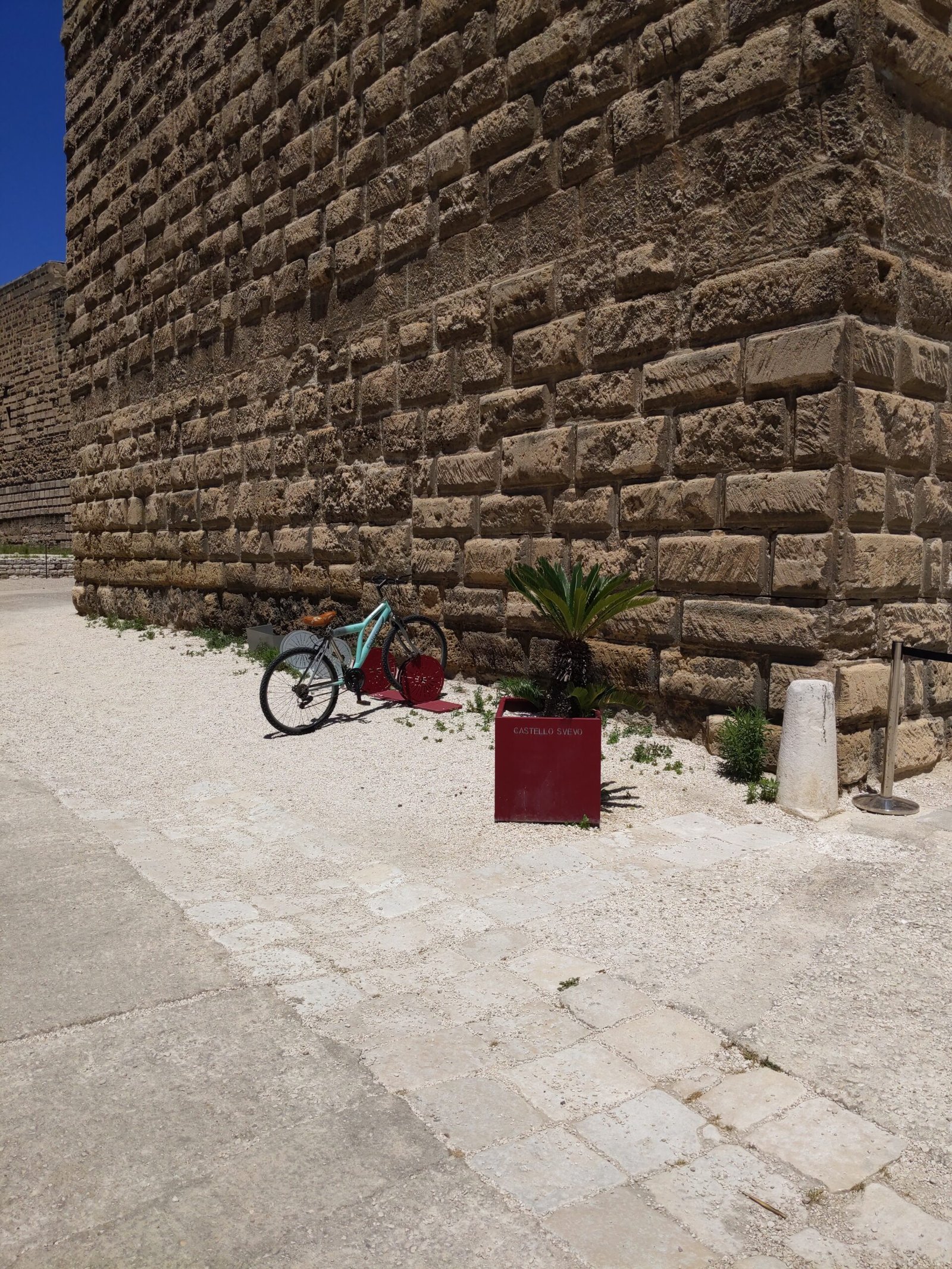
Bari is a substantial city, and its character differs from the smaller historic towns that often define travelers’ impressions of Puglia. Busy streets, an urban grid, and the activity of a regional center give it a more metropolitan feel. Its historic quarter offers a different atmosphere, but the wider city is very much a working urban environment.
For travelers arriving by rail or using public transportation, Bari can be a useful starting point. Those traveling by car should pay particular attention to accommodation location and parking, which can be challenging in busy areas. Bari is worth considering on its own terms rather than expecting it to feel like a smaller Puglian town.
Alberobello and the Valle d'Itria — A Landscape Unlike Anywhere Else
Alberobello’s trulli create a landscape that can feel almost storybook in character. These distinctive stone buildings, with their conical roofs, are not confined to a single landmark or isolated attraction; they form part of the wider architectural identity of the Valle d’Itria.
Alberobello is worth seeing, but the surrounding countryside adds another dimension to the experience. Travelers who venture beyond the most familiar streets can discover the broader landscape that makes this part of Puglia so distinctive.
Polignano a Mare — A Coastal Town Perched Above the Sea
Polignano a Mare is known for its dramatic cliffs, waterfront setting, and beach tucked between rocky walls. Its location makes it immediately memorable, but its popularity also means that crowds are part of the experience, particularly during the busiest months.
Whether it works best as a brief stop or an overnight stay depends on the wider itinerary and the kind of coastal experience a traveler wants. Its visual appeal is undeniable, but timing can influence how much of the town you get to enjoy.
Lecce — A City Where History Reveals Itself at Every Turn
Lecce rewards exploration on foot. Within its historic center, ornate Baroque churches, warm limestone facades, and intimate piazzas create an architectural landscape that invites visitors to slow down and look closer. Churches appear throughout the old city, while the Roman amphitheater occupies a remarkable position in the heart of the modern urban fabric—a reminder that Lecce’s history isn’t confined to a single monument or museum.
Although local traffic moves through parts of the historic center, the streets are best explored on foot, allowing time to discover the details that might otherwise be missed. There is so much to see that a brief stop can feel inadequate.
For travelers exploring Puglia, Lecce offers more than a beautiful old town. It provides a compelling base for discovering Salento, with its own distinctive character and access to both the Adriatic and Ionian coasts.
For a closer look at the city’s streets and atmosphere, continue to Stahr Travel’s Streets of Lecce essay.
Ostuni, Gallipoli, and the Wider Puglian Landscape
Not every destination needs a full feature of its own. Ostuni, with its whitewashed historic center rising above the surrounding countryside, offers another perspective on inland Puglia. Farther south, Gallipoli and the Ionian coast bring a different coastal character to the region.
These places can help shape a broader itinerary, depending on whether a traveler is drawn to hill towns, historic centers, beaches, or a slower exploration of Salento. Their value often lies in how they complement the larger journey, rather than in trying to fit every destination into the same trip.
Planning Thoughtfully
Southern Italy is easy to underestimate geographically. Naples, the Amalfi Coast, Puglia, Matera, and Calabria may appear together on a map, but combining them requires thought about travel times, overnight stays, and the balance between moving and exploring.
Three considerations could anchor the section:
Choosing the Right Base
Sorrento may suit travelers who want access to the Bay of Naples and the Amalfi Coast. Staying directly on the coast offers a different atmosphere, while a Puglia itinerary may benefit from a separate base or two depending on the places included.
Allowing Enough Time
A collection of famous destinations can quickly become an exhausting itinerary. Pompeii, the Amalfi Coast, Lecce, and Matera each reward more than a hurried visit. The right itinerary prioritizes the experiences that matter most rather than attempting to cover every destination.
Understanding Transportation
Southern Italy combines rail connections, regional buses, ferries, and areas where a car can provide greater flexibility. The best option depends on the route, the season, and the places being visited. Transportation choices should follow the itinerary—not be treated as an afterthought.
How many days should I spend in Southern Italy?
The right amount of time depends on which regions you want to explore. Campania alone can fill several days, particularly if you want to visit Pompeii, explore Naples, and spend time along the Amalfi Coast. Puglia and Matera can form another rewarding itinerary, while adding Calabria introduces further distances.
Rather than trying to cover the entire south in one trip, consider choosing a smaller group of destinations and allowing enough time to experience each properly.
Is it better to rent a car in Southern Italy?
Not necessarily. Rail services and other public transportation options can work well for some routes, while a car offers greater flexibility for exploring rural areas and smaller towns.
Driving can also introduce challenges, including parking, restricted-traffic zones, and navigating busy historic centers. The best choice depends on the destinations you plan to visit and how you intend to combine them.
Can I combine the Amalfi Coast and Puglia in one trip?
Yes, but the itinerary benefits from careful planning. Campania and Puglia offer quite different experiences, and the journey between them takes time. The best approach depends on your total trip length, where you want to stay, and whether you prefer rail travel, a rental car, or a combination of transportation options. With enough time, the contrast between the two regions can be a rewarding part of the journey.
Is Northern or Southern Italy better?
Neither is universally better — they offer different experiences.
Northern Italy often appeals to travelers seeking lakes, mountain scenery, and refined city experiences.
Southern Italy often attracts travelers looking for coastline, slower rhythms, and regional character.
Where should I stay when visiting the Amalfi Coast?
That depends on the experience you’re looking for.
Sorrento can be a practical base for exploring the Bay of Naples and taking excursions along the coast.
Staying in an Amalfi Coast town offers a more direct experience of the coastline, but transportation between towns and the cost of accommodation deserve consideration.
Your itinerary, budget, and preferred pace should help determine the best fit.
Is Southern Italy a good first trip to Italy?
Absolutely. Southern Italy offers a wonderful introduction to the country, combining ancient history, celebrated food, distinctive architecture, and spectacular coastlines.
From the famous beaches of the Amalfi Coast and the archaeological treasures of Pompeii to the historic towns of Puglia, there’s considerable variety for first-time visitors.
The key is choosing a manageable combination of destinations rather than trying to see everything at once. Some areas are easier to explore by train, while others benefit from a car or carefully planned excursions. With the right itinerary, Southern Italy can offer a rewarding first experience of Italy without feeling rushed.
Is Matera worth adding to a Southern Italy itinerary?
Matera can be a memorable addition, particularly for travelers interested in history, architecture, and places that feel unlike anywhere else. Its ancient cave dwellings and the story of the Sassi offer a different perspective on Southern Italy.
It can work well alongside Puglia, but allow enough time to explore the city and understand its history rather than treating it as a brief photographic stop.
When is the best time to visit Southern Italy?
Spring and autumn can offer a comfortable balance of temperatures and sightseeing conditions, although the experience varies by destination.
Summer brings beach weather and a lively atmosphere along the coast, but also heavier crowds, higher demand, and hotter conditions.
The best time depends on whether your priorities are coastal relaxation, historic sites, outdoor exploration, or a combination of experiences.
Accommodation and transportation should be planned with seasonal demand in mind.
Thoughtful planning creates room for unexpected discoveries, slower mornings, memorable meals, and the moments that stay with you long after you return home. If you're ready to begin planning your own journey through Southern Italy, we're here to help.