Destinations
Northern Italy
Historic Cities, Alpine Landscapes, and a More Thoughtful Way to Experience Italy
Northern Italy stretches from the Alps to the Adriatic, encompassing some of Italy’s most diverse landscapes, historic cities, and culinary traditions.
From the canals of Venice and the elegance of Milan to the vineyards of Emilia-Romagna, the shores of Lake Como, and the dramatic peaks of the Dolomites, each destination offers its own distinct rhythm.
Rather than trying to see everything in one trip, Northern Italy rewards travelers who choose thoughtfully. A journey centered on historic cities calls for a different pace than one built around lakeside villages or mountain landscapes. Staying longer in fewer places, choosing transportation that suits the route, and allowing time for everyday moments can create a richer experience than moving quickly between landmarks.
This editorial exploration considers the places and experiences that define Northern Italy, with original observations, photography, and practical insights to help you understand what each area offers, which destinations might work well together, and how to shape a journey around your interests.
Planning a Journey to Northern Italy?
Northern Italy offers many ways to travel well. The right combination of places, pace, and transportation depends on the experience you’re looking for.
On This Page
EXPLORE THE REGION
Understand what distinguishes Northern Italy, from its alpine landscapes and lakes to its historic cities and coastal towns.
FEATURED PLACES
Discover the destinations that define the region and what makes each one worth considering for your journey.
GO DEEPER
Original stories, observations, and curated resources for a closer look at Italy.
PLANNING THOUGHTFULLY
Consider how destinations, transportation, and time come together to shape a well-paced Northern Italy journey.
EXPLORE THE REGION
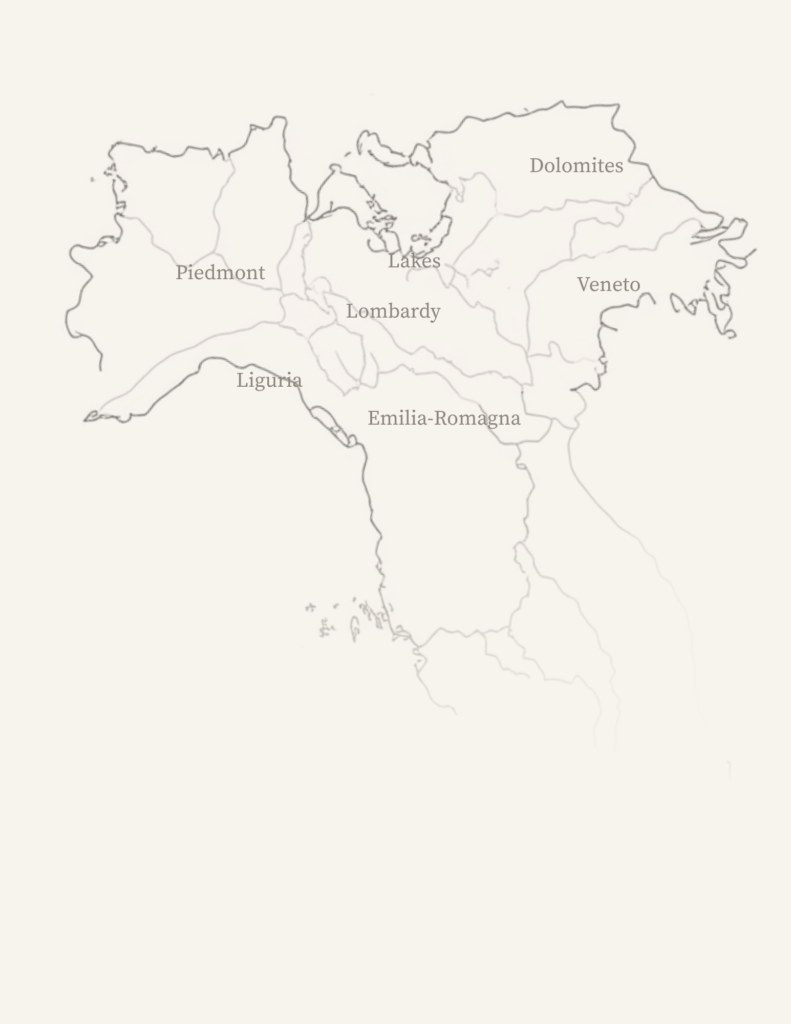
Distinct Characters
Northern Italy is best understood as a collection of regions, each shaped by its own traditions, landscapes, cuisine, architecture, and rhythm of life. Understanding those differences can help you decide which places belong together in a single journey—and which deserve more time of their own.
PIEDMONT
Quietly elegant and framed by the Alps, Piedmont rewards travelers drawn to food, wine, and understated sophistication. Turin introduces the region through grand boulevards, historic cafés, and an architectural character that feels distinct from Italy’s more familiar tourist centers. Beyond the city, vineyard landscapes and small towns offer a different pace.
Worth considering: Piedmont suits travelers who enjoy combining a cultured city stay with food and wine experiences in the surrounding countryside.
LOMBARDY
Lombardy brings together Milan’s design, fashion, and cultural institutions with historic towns, vineyards, and the shores of Lake Como. Its variety makes it possible to combine urban experiences with time beside the water, but the region is larger and more diverse than any single destination suggests.
Worth considering: Decide whether Milan is a destination in its own right or a gateway to the lakes. The answer influences how much time to allow and where to base yourself.
THE ITALIAN LAKES
The Italian Lakes are not interchangeable. Lake Como is known for its villas and dramatic mountain setting; Lake Garda offers a broader mix of landscapes, towns, and outdoor activities; Lake Maggiore is celebrated for its gardens and islands; and Lake Orta offers a quieter, more intimate atmosphere.
Worth considering: Choose the lake that fits the experience you want rather than trying to visit several. Ferry connections, the location of your accommodation, and the time of year can all influence how easily you explore the area.
THE DOLOMITES
The Dolomites rise dramatically above the surrounding valleys, creating an alpine landscape of limestone peaks, mountain villages, meadows, and winding roads. The experience changes considerably with the seasons, from summer hiking and scenic drives to winter sports and snow-covered villages.
Worth considering: The Dolomites are best planned around the season and the activities you want to enjoy. Distances on a map can be misleading in mountain terrain, so the choice of base and transportation matters.
VENETO
Veneto extends well beyond Venice. The city remains one of Italy’s most distinctive destinations, while Verona offers Roman history, elegant streets, and a different urban atmosphere. The wider region also includes historic towns and countryside that can add variety to a city-focused visit.
Worth considering: Venice and Verona can work together on a broader itinerary, but they offer different experiences. Allow enough time to appreciate each rather than treating both as quick stops.
EMILIA-ROMAGNA
Emilia-Romagna is a rewarding region for travelers interested in Italian food, art, and everyday culture. Bologna’s porticoes and lively food scene, Modena’s culinary traditions, Parma’s celebrated cuisine, and Ravenna’s extraordinary mosaics each offer a different reason to linger.
Worth considering: This region lends itself to a journey built around food and culture. Rather than attempting to cover every city, choose a base or a small cluster of destinations that suits your interests and the time available.
LIGURIA
Liguria brings a Mediterranean character to Northern Italy, with colorful coastal towns, historic harbors, and villages tucked between the mountains and the sea. Genoa offers a substantial historic city and maritime heritage, while Camogli, Portofino, and the villages of Cinque Terre provide different ways to experience the coast.
Worth considering: Coastal destinations can look close together on a map but take time to navigate. Think about where you’ll stay, how you’ll travel between towns, and whether you prefer a single base or several stops.
Featured Places
Venice
A City Unlike Any Other
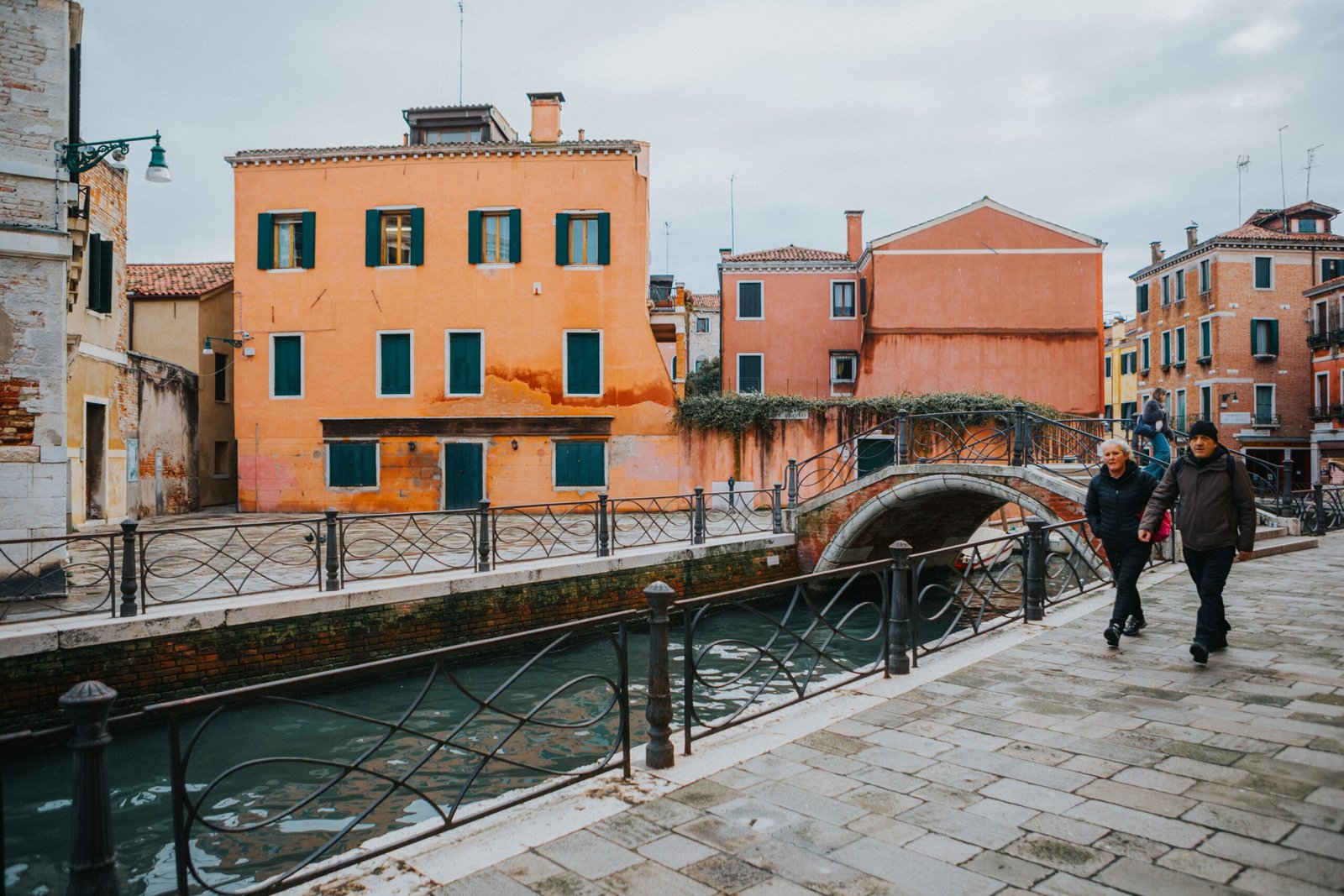
Few places in the world alter your sense of movement quite like Venice. Streets give way to canals, footsteps replace traffic, and every crossing becomes a bridge rather than an intersection. It is a city that asks you to slow down—not because there is less to see, but because nearly every corner rewards a second look.
For many travelers, Venice is synonymous with gondolas and crowded piazzas. Yet its lasting impression often comes from quieter moments: laundry hanging above a narrow canal, the echo of footsteps before the city wakes, or the soft light reflecting from the lagoon at dusk. Step beyond the busiest routes and Venice reveals itself as a place still shaped by neighborhoods, local traditions, and daily routines.
As the historic gateway between Europe and the East, Venice has spent centuries absorbing influences from across the Mediterranean and beyond. That layered history remains visible in its architecture, cuisine, and craftsmanship, making it one of Northern Italy’s most distinctive cities—not simply because of its beauty, but because nowhere else feels quite the same.
Observation
The Venice I remember most wasn’t the one filled with people. It was the quiet walk back before breakfast, when the only sounds were footsteps, gulls, and water brushing against stone.
The Italian Lakes
Where Northern Italy Slows Down
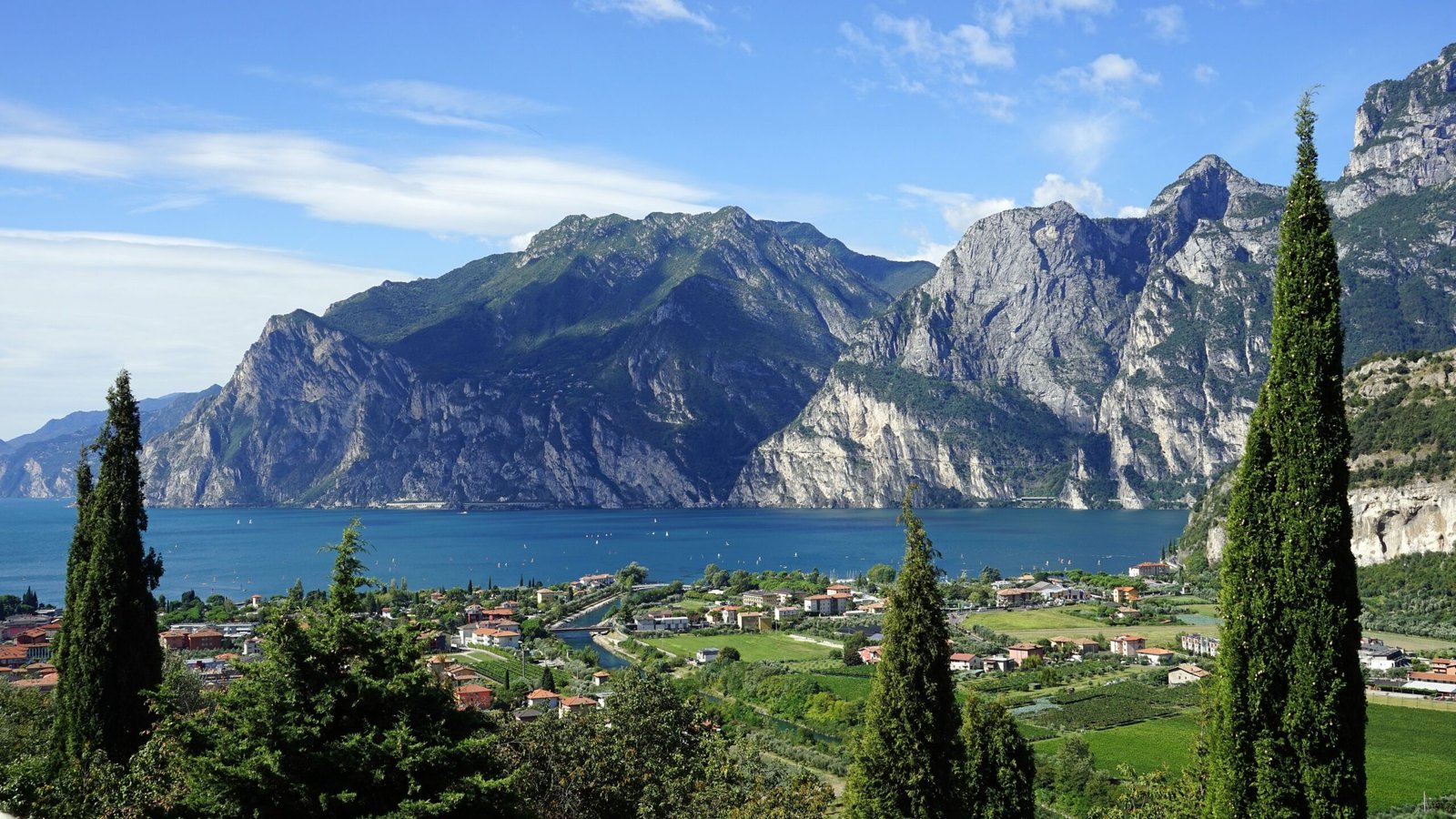
If Venice is defined by movement, the Italian Lakes are defined by stillness. Surrounded by mountains and shaped by centuries of villages, gardens, and lakeside promenades, they offer a quieter expression of Northern Italy—one where the landscape becomes as much a part of the journey as the destinations themselves.
Although often grouped together, each lake has its own personality. Lake Como is known for elegant villas and dramatic alpine scenery, while Lake Garda stretches between vineyards, medieval towns, and the foothills of the Dolomites. Lake Maggiore blends grand gardens with historic islands, and Lake Orta remains one of the region’s most peaceful retreats, rewarding those willing to wander beyond the better-known names.
More than places to visit, the lakes invite a different pace of travel. Mornings begin on quiet waterfronts, ferries replace highways, and afternoons unfold over long lunches overlooking the water. It’s a landscape that encourages lingering rather than rushing—a reminder that some of Northern Italy’s most memorable moments are found not in landmarks, but in the simple act of slowing down.
Which Italian Lake Is Right for You?
Although the Italian Lakes share a landscape of mountain backdrops, waterfront villages, and unhurried afternoons, each offers a distinct experience. The right choice depends on what draws you to the region and how you want to spend your time there.
Lake Como is a natural choice for travelers drawn to elegant villas, beautiful gardens, and dramatic alpine scenery. Its celebrated lakeside towns lend themselves to leisurely days exploring waterfront promenades, taking ferries between villages, and lingering over meals with a view.
Lake Garda offers greater variety across a larger landscape. Medieval towns, vineyards, lakeside promenades, and opportunities for outdoor activities make it appealing to travelers who want to combine time on the water with a broader range of experiences. Its southern shores also have a different character from the mountainous northern end.
Lake Maggiore appeals to those who appreciate historic gardens, grand villas, and excursions to the Borromean Islands. Its setting feels distinctly elegant, with opportunities to explore landscaped grounds and historic places alongside the quieter pleasures of lakeside life.
Lake Orta, smaller and generally more peaceful than its better-known neighbors, is worth considering for travelers who prefer a more intimate retreat. Its compact scale and tranquil atmosphere reward those who want to slow down and spend less time moving between destinations.
Choosing Your Lake
The best lake is not necessarily the most famous, but the one that fits the journey you want to take. Consider how many nights you can comfortably devote to the region, whether you prefer to settle into one town or explore several, and how the lake connects with the other destinations on your itinerary.
Transportation matters, too. Ferry services can make exploring certain towns straightforward, while reaching smaller villages or combining the lakes with inland destinations may require more planning. The season can also influence your experience, from the availability of services to the atmosphere in the busiest towns.
Rather than trying to see every lake, choose the one that complements the rest of your trip. A well-paced stay, with time to enjoy the landscape rather than simply pass through it, will often be more rewarding than adding another destination to an already full itinerary.
Observation
The memory that stayed with me wasn’t a famous villa or viewpoint. It was watching the first ferry cross the lake as the mountains emerged from the morning haze, when the water was so still it felt as though the day hadn’t quite begun.
The Dolomites
Where the Landscape Changes Everything
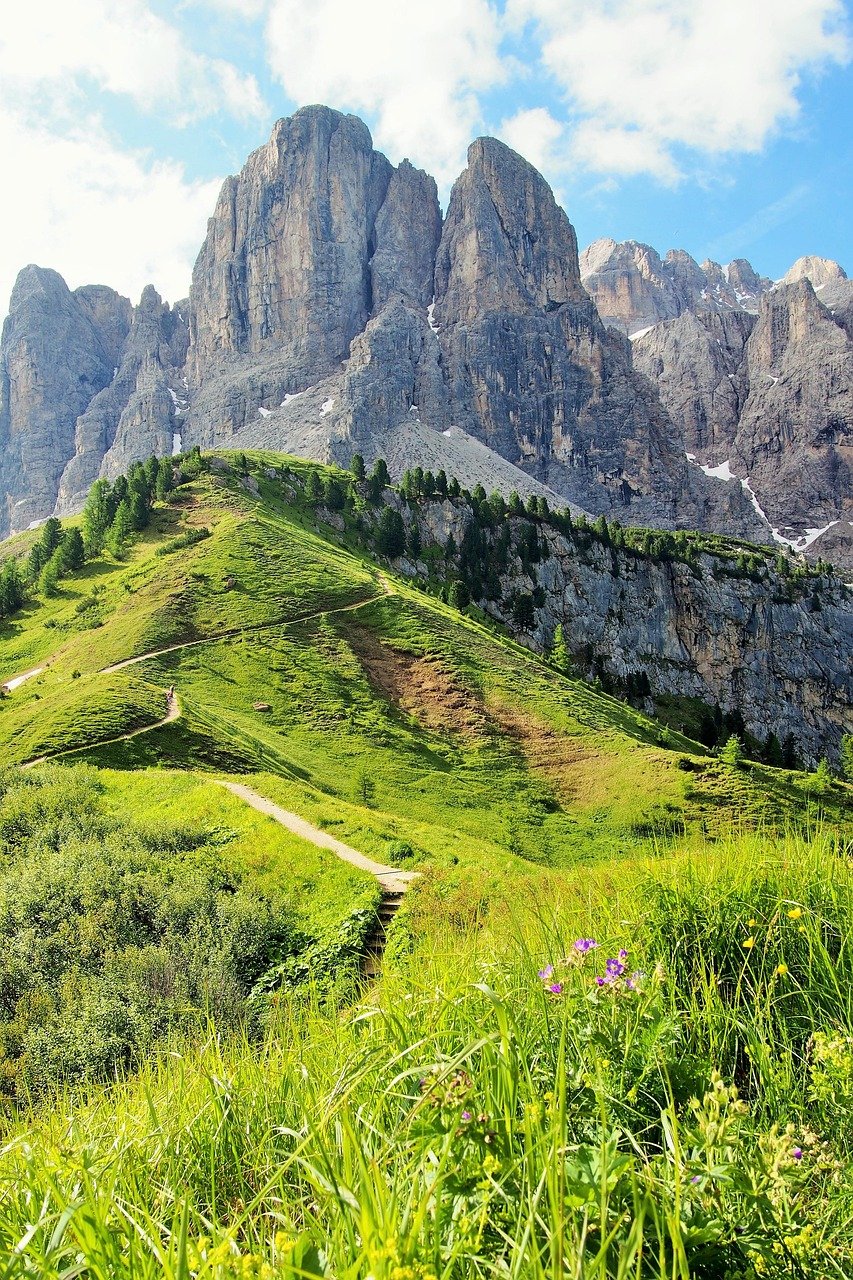
Few places in Northern Italy alter your sense of scale quite like the Dolomites. Towering limestone peaks rise above alpine meadows, winding mountain roads, and villages where the pace of life is shaped as much by the seasons as the clock. It is a landscape that invites travelers to look up, slow down, and appreciate just how varied Northern Italy can be.
Although celebrated for hiking and outdoor adventure, the Dolomites reward travelers in quieter ways as well. Scenic drives reveal dramatic vistas around every bend, mountain lifts open panoramic views without demanding strenuous climbs, and small villages offer a chance to linger over local cuisine while surrounded by some of Europe’s most extraordinary scenery.
The mountains are never simply a backdrop—they shape the experience itself. Weather, light, and elevation transform the landscape from hour to hour, ensuring that no two visits feel exactly the same. Whether arriving for a single afternoon or several days, the Dolomites leave a lasting impression not because of one viewpoint, but because of the overwhelming sense of place they create.
Observation
The view wasn’t memorable because it was the highest point we reached. It was memorable because every bend in the road revealed an entirely new landscape, reminding us that in the Dolomites the journey is often more remarkable than the destination.
Planning Thoughtfully
By the time most people begin planning a trip to Northern Italy, they already know which places they hope to see. The more important questions are often about pace: How much time is enough? Should you rent a car or travel by train? Which regions naturally fit together? Answering those questions thoughtfully can shape a journey that feels less rushed and far more memorable.
The questions below reflect the conversations we have most often with travelers beginning to plan Northern Italy.
How many days should I spend in Northern Italy?
Northern Italy rewards travelers who choose depth over distance. While it’s possible to visit several cities in a week, many itineraries feel more rewarding when limited to two or three regions. Seven to ten days provides enough time to combine places like Venice and the Italian Lakes or Milan and the Dolomites without feeling rushed. With two weeks, it’s possible to explore more broadly while still allowing room for slower mornings, longer meals, and the unexpected moments that often become the most memorable part of a journey.
Is Northern Italy better explored by train or by car?
One of Northern Italy’s greatest strengths is its excellent rail network.
Cities such as Venice, Milan, Bologna, Verona, and Turin are well connected by high-speed and regional trains, making rail travel both convenient and relaxing.
A car becomes more valuable when exploring the Dolomites, smaller villages, or wine regions where public transportation is less frequent.
Many travelers find the best balance by using trains between major destinations and renting a car only for the portions of the trip where it adds flexibility.
When is the best time to visit Northern Italy?
Northern Italy changes dramatically with the seasons, and each offers something different. Spring and early autumn often provide the most comfortable temperatures for walking through cities, exploring lakeside towns, and enjoying the mountains. Summer brings longer days and lively piazzas but also larger crowds in popular destinations. Winter transforms the Dolomites into one of Europe’s premier ski regions while cities such as Venice and Turin take on a quieter, more atmospheric character. Rather than looking for a single “best” time, it helps to choose the season that best matches the experience you’re hoping to have.
Is Northern or Southern Italy better?
Neither is universally better — they offer different experiences.
Northern Italy often appeals to travelers seeking lakes, mountain scenery, and refined city experiences.
Southern Italy often attracts travelers looking for coastline, slower rhythms, and regional character.
Can I combine Venice, the Italian Lakes, and the Dolomites in one trip?
Yes, but the amount of time available makes all the difference. While these destinations are connected by Northern Italy’s transportation network, each offers a distinctly different experience. Trying to include too many places in a short itinerary often means spending more time moving than enjoying each destination. If your schedule allows ten days or more, combining Venice with either the Italian Lakes or the Dolomites creates a balanced journey. With additional time, all three can work together beautifully.
Is Northern Italy a good first trip to Italy?
For many travelers, Northern Italy offers an excellent introduction to the country. Historic cities, world-class museums, alpine landscapes, renowned cuisine, and efficient transportation make it both accessible and remarkably diverse. Whether you’re drawn to Venice’s canals, the elegance of Milan, the serenity of the Italian Lakes, or the dramatic scenery of the Dolomites, the region provides a wide range of experiences without requiring extensive travel between destinations. It’s an ideal choice for travelers seeking variety while maintaining a relaxed pace.
Should I focus on one region or explore several?
There is no single right answer, but many travelers are surprised by how rewarding it can be to explore fewer places more deeply. Staying longer allows time to discover neighborhoods beyond the main attractions, experience local traditions, and settle into the rhythm of daily life. Exploring several regions works well when there is enough time to appreciate the contrasts between them rather than simply passing through. The goal isn’t to see everything—it’s to leave feeling that you truly experienced the places you visited.
Thoughtful planning creates room for unexpected discoveries, slower mornings, memorable meals, and the moments that stay with you long after you return home. If you're ready to begin planning your own journey through Northern Italy, we're here to help.
Go Deeper
ESSAYS
How Many Days Do You Really Need in Northern Italy?
There is no perfect number of days for Northern Italy.
The better question is how much movement a trip can absorb before the journey itself begins to take over.
One of the easiest mistakes to make is to confuse what is possible with what is worth doing.
Yes, you can visit several places in a week. You can add another lake, another city, another mountain valley, another overnight stop.
Northern Italy by Train:
Where It Works Best
Northern Italy is one of those parts of Europe where you can travel remarkably well without a car.
That doesn’t mean a car is unnecessary everywhere. The Dolomites, smaller lake communities, and some rural areas are much easier with one. But for much of the region, trains, local buses, Metro systems, walking, and the occasional car can work together surprisingly well.
The trick is not to decide that you are traveling by train or by car.
It is to understand where each works best.
COMPANIONS
Thoughtfully assembled destination companions designed to help travelers move beyond the highlights and experience a destination more deeply.
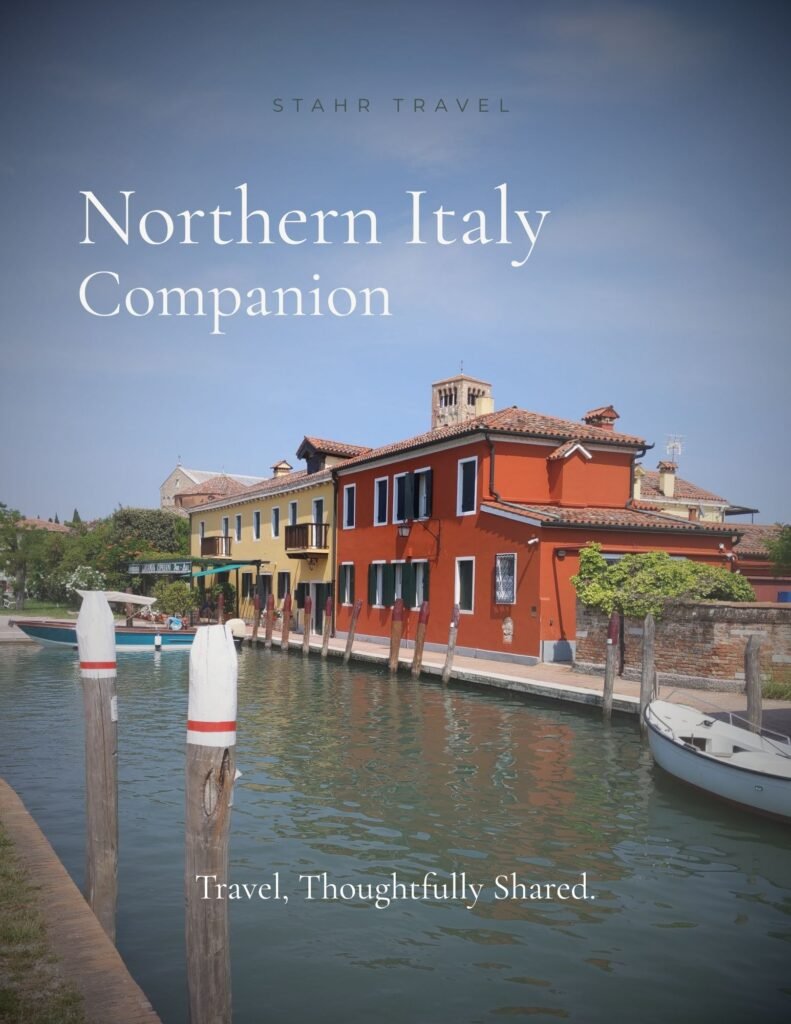
Northern Italy
Travel Companion
A destination companion for travelers drawn to slower mornings, long lunches, and places that reward curiosity.
BONUS PUBLICATION
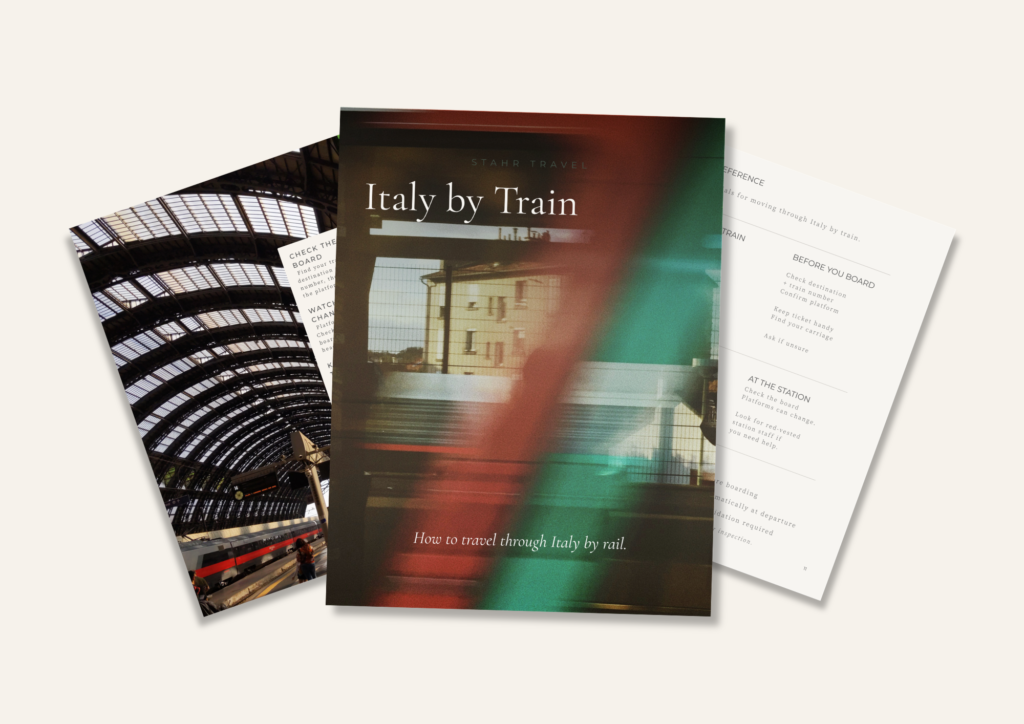
Italy by Train
A separate Stahr Travel publication exploring the pleasures of traveling through Italy by rail — from the landscapes outside the window to the simple pleasure of making the journey part of the experience.
Included with your Northern Italy Companion purchase.